We Look Properly
We cycle the door by hand and under power, check the balance with the opener disconnected, and find the part that has actually failed rather than the one that is easiest to replace.
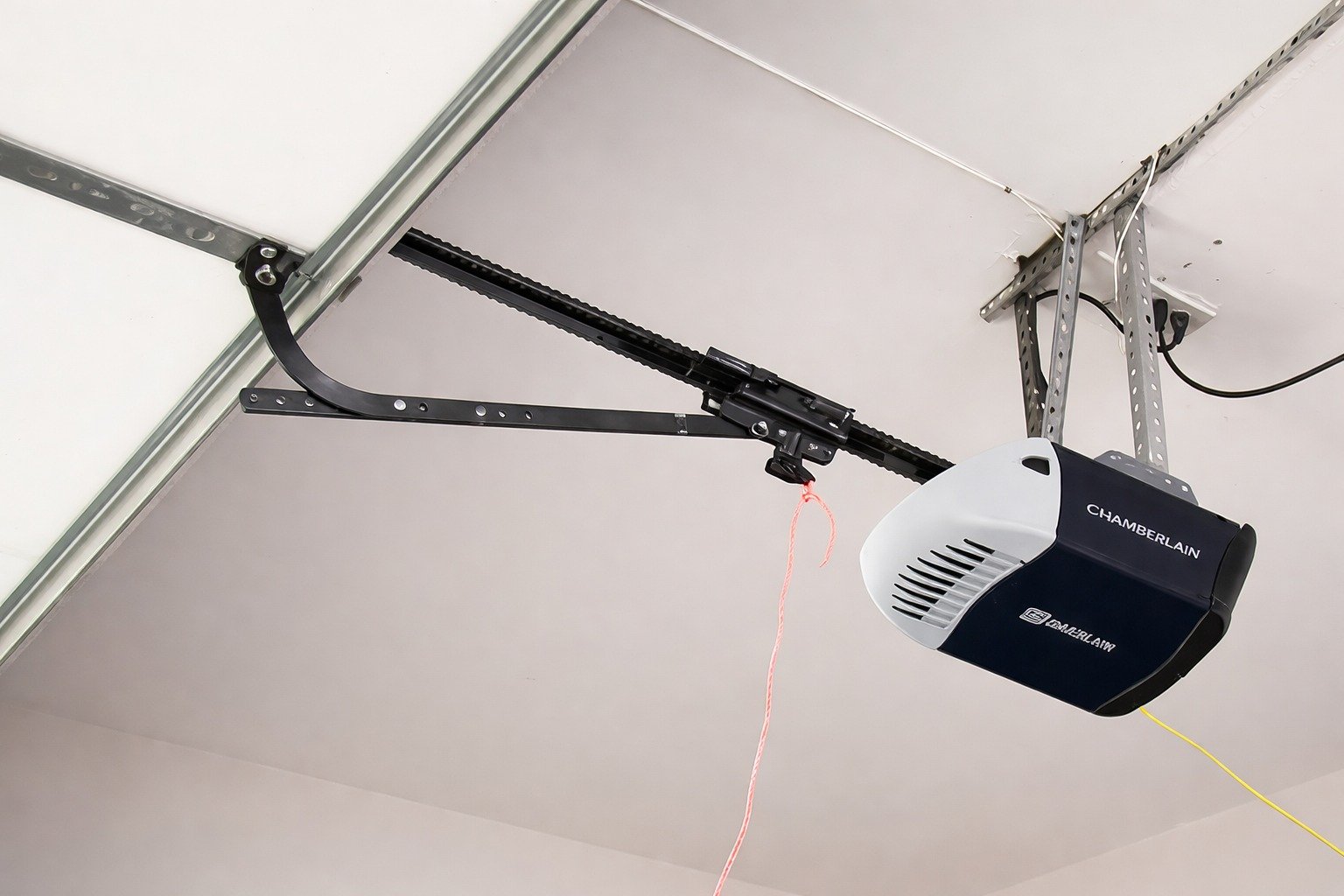
Openers usually fail in ways that look terminal but are not. We test properly before recommending replacement, because the motor is often fine.
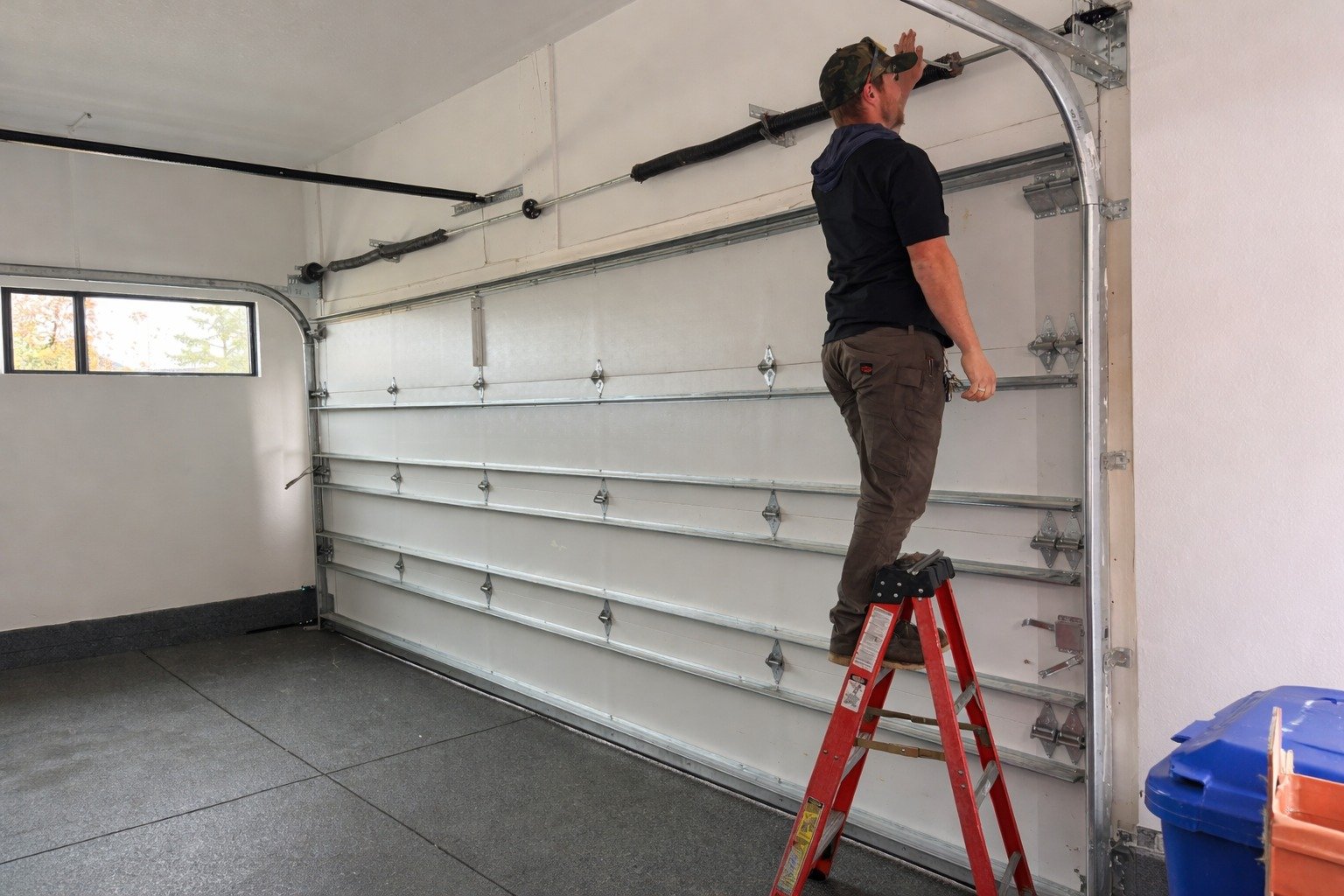
When an opener stops working the instinct is to replace it, and most of the time that is not necessary. A stripped drive gear, a failed capacitor, a disengaged trolley or a pair of misaligned safety sensors will all leave you with a door that does not move and a motor that sounds fine — and all four are repairs rather than replacements.
The single most common fault we attend is the cheapest: photo-eye sensors knocked out of line. They sit six inches off the floor, which is exactly where snow gets shovelled, where plough spray lands, and where things get leaned against them. If your door reverses before it closes, that is where we look first.
Chain, belt or screw drive, and every major brand. We diagnose the actual fault before quoting anything.
Motor and drive-gear repair. A stripped nylon gear is a common failure that sounds catastrophic — the motor runs, nothing moves — and is a straightforward part to replace.
Remotes and keypads programmed or replaced, including rolling-code units and cars with built-in buttons that have lost their pairing.
Safety sensor alignment and replacement. Cheapest job we do, most common cause of a door that will not close, and worth checking yourself before you call.
Chain, belt and screw drive repair: worn chains, stretched belts, dry screw drives and the trolleys and couplers that connect them to the door.
Proper diagnostics on an opener that is behaving intermittently — the hardest fault to pin down and the one most often solved by replacing the wrong part.
Full system upgrades where repair genuinely is not worth it, including battery backup so the door still opens when a winter storm takes the power out.
The faults we attend most. None of them fix themselves, and every one of them is cheaper to deal with before it fails completely than after.
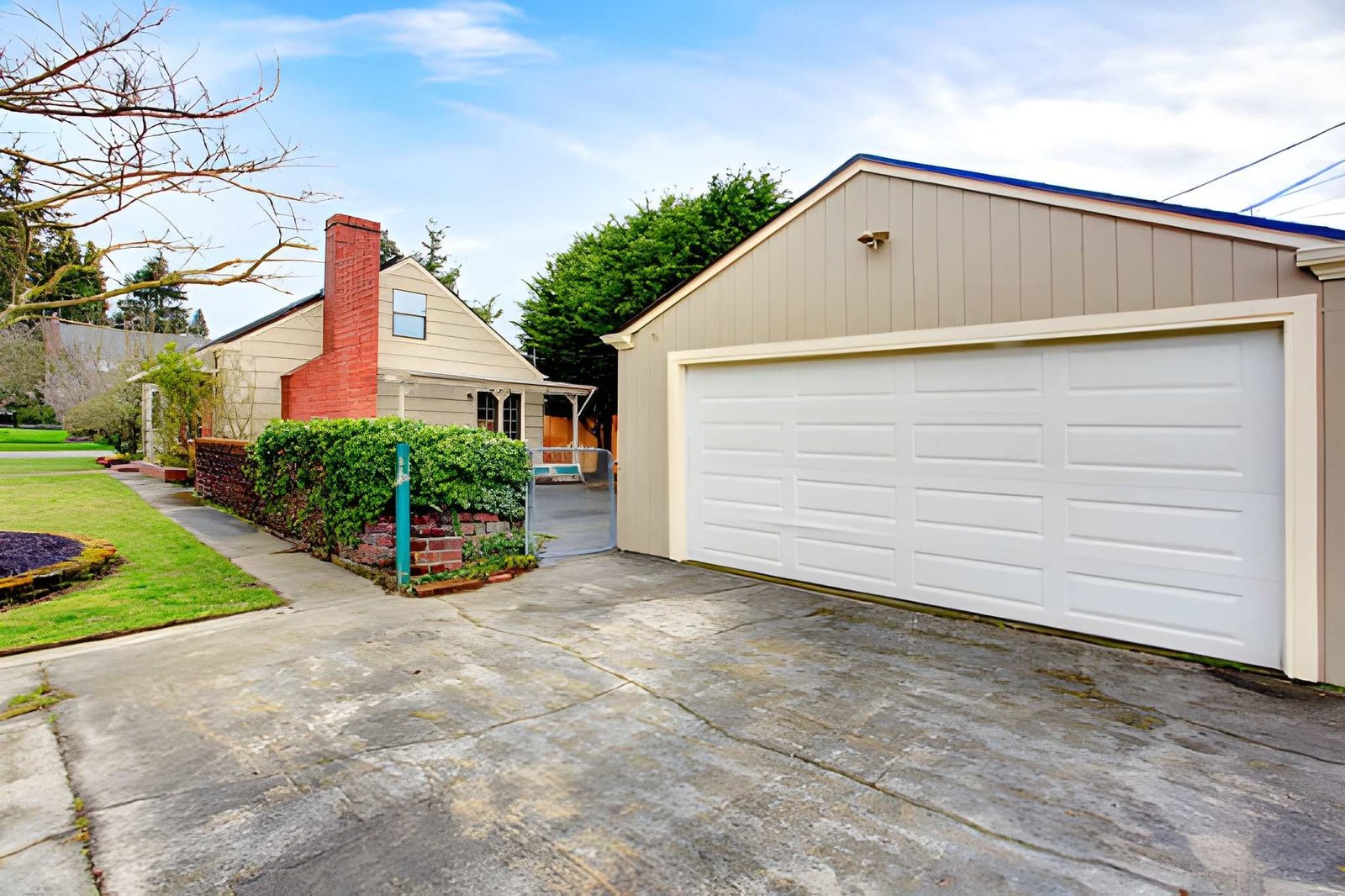
Describe the fault in your own words and we will come back with a time. The inspection is free, the price is fixed before work starts, and you are under no obligation.
Trusted by 3,995+ Connecticut homeowners across 74 cities.
We follow a simple, efficient process to deliver fast, reliable garage door solutions with zero hassle from start to finish.
We cycle the door by hand and under power, check the balance with the opener disconnected, and find the part that has actually failed rather than the one that is easiest to replace.
We explain what we found in plain terms, what it needs now and what can wait, and give you a fixed price before anything starts. Decide against it and the inspection still costs you nothing.
We do the work with parts sized to your door, rebalance it, and test both safety reverses in front of you. Most jobs finish on the first visit because the van carries what usually fails.







All 74 towns, across all eight counties. Pick yours for local availability, response times and pricing.
The questions we get asked on the phone most often, answered the way we would answer them there.
Start with the obvious: power, the wall button, and whether the trolley has been left disengaged. After that the usual culprits are the safety sensors, a stripped drive gear or a failed capacitor. We will find which rather than guess.
Repair, if the unit is under about ten years old and the fault is a gear, capacitor or sensor. Replace if the logic board has gone on an older unit, or if it predates modern safety requirements — we will tell you which situation you are in.
Yes, including most vehicle built-in buttons. Bring the car into the driveway and we can usually pair it during the same visit.
All the major brands — LiftMaster, Chamberlain, Genie, Craftsman, Skylink and others. The mechanisms have far more in common than the branding suggests.
Most repairs are an hour or less. A full replacement including setting travel, force limits and testing the safety reverses takes two to three.
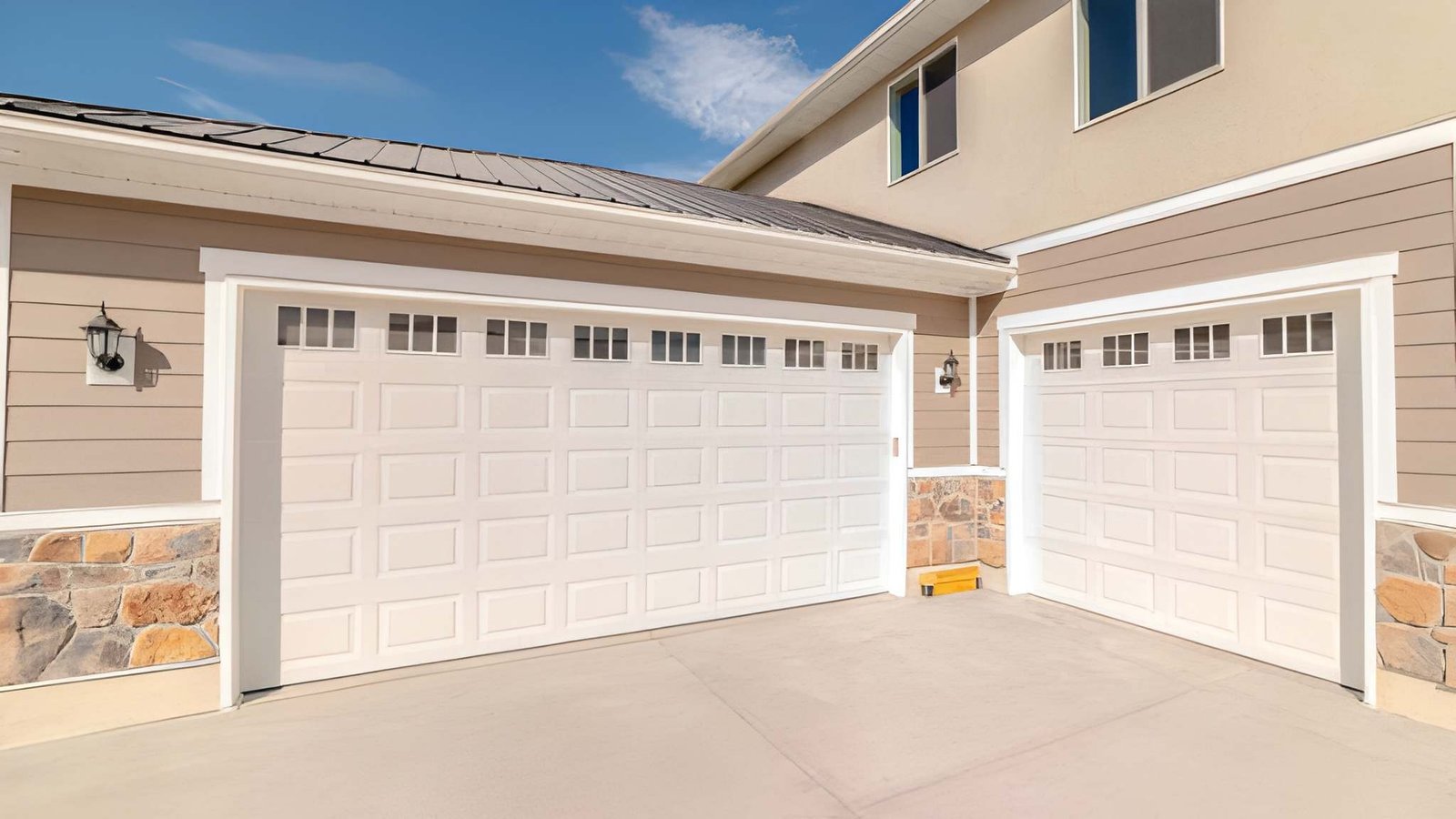
Whatever your door needs, the same trained team handles it — often on the same visit.