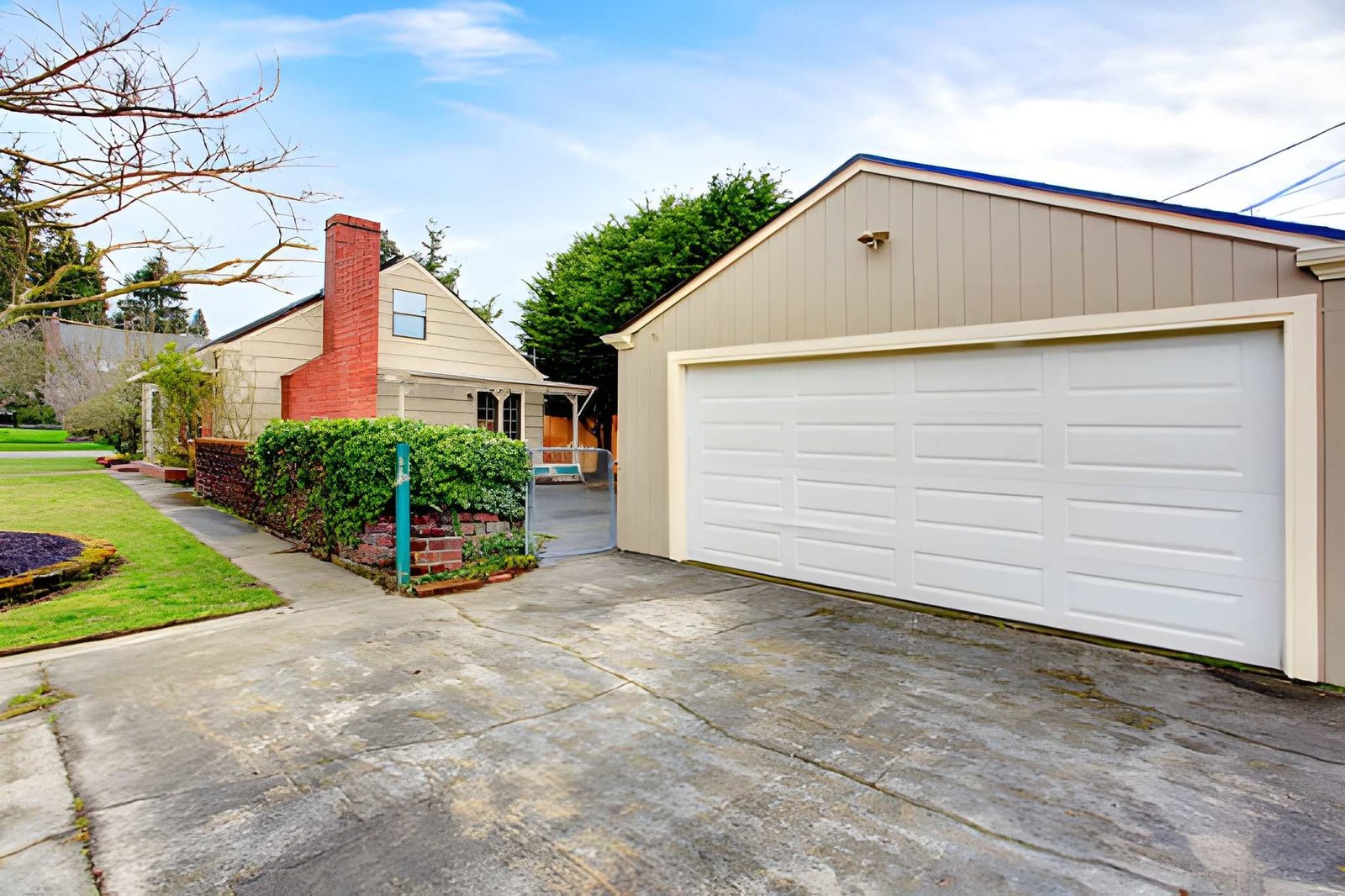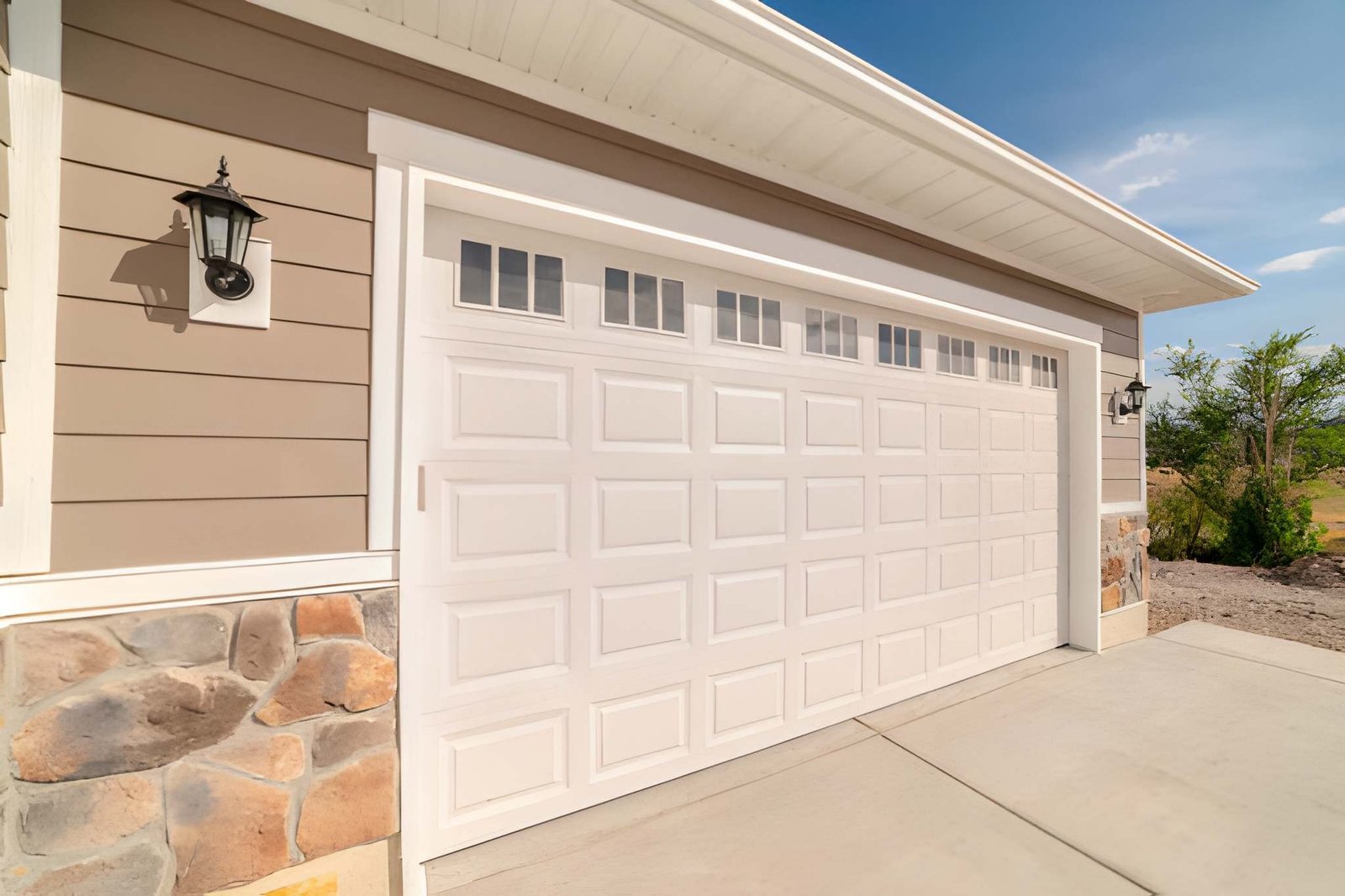
 Buying Guide
Full-View Glass Garage Doors: What to Know Before You Buy One
They look superb and they suit Connecticut architecture. There are four practical points worth understanding first.
Read the guide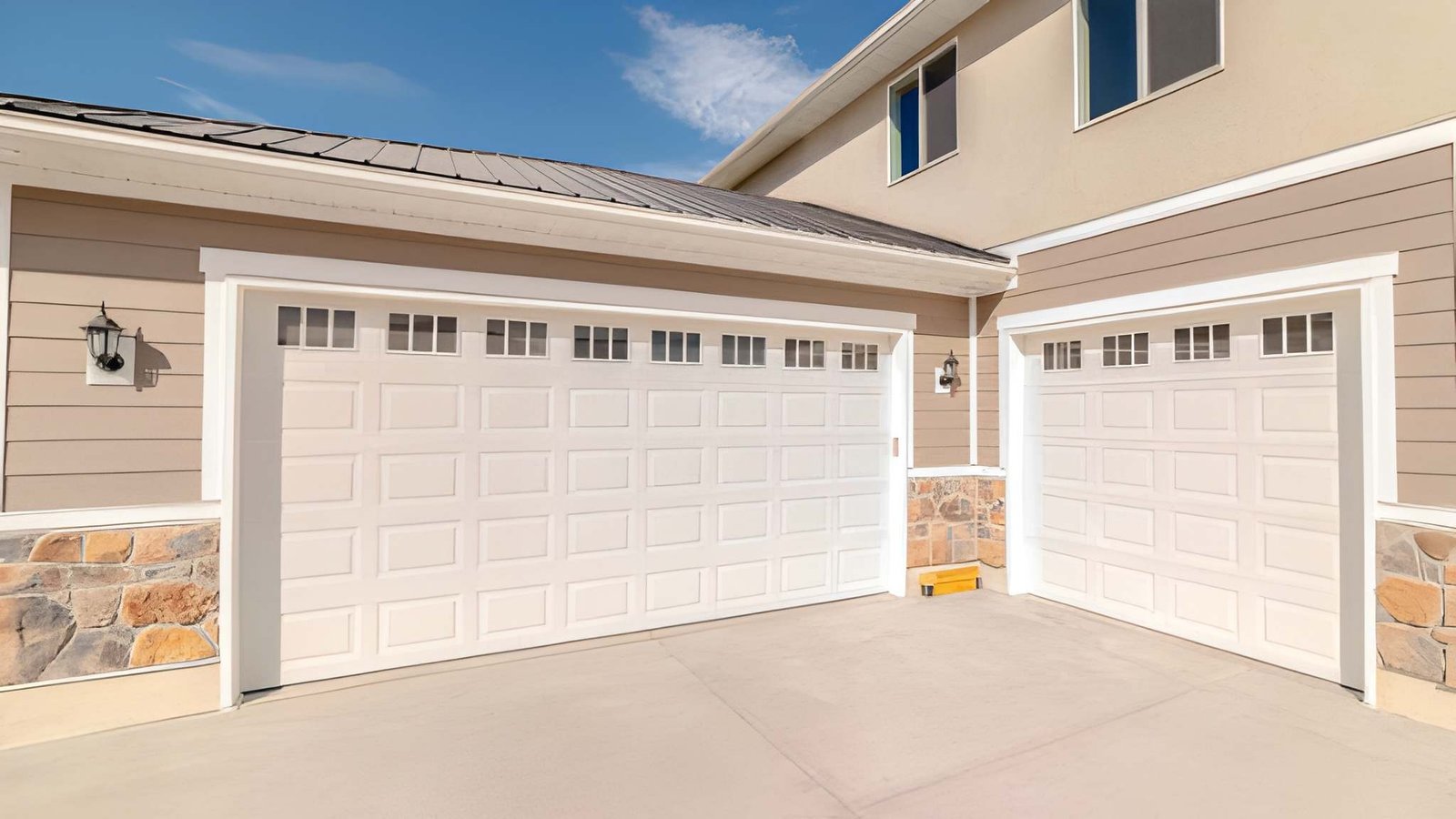
Everything here comes off the van, not out of a brochure. What the noise means, what a fair price looks like, and which jobs are safe to do yourself — which is fewer than the internet suggests.
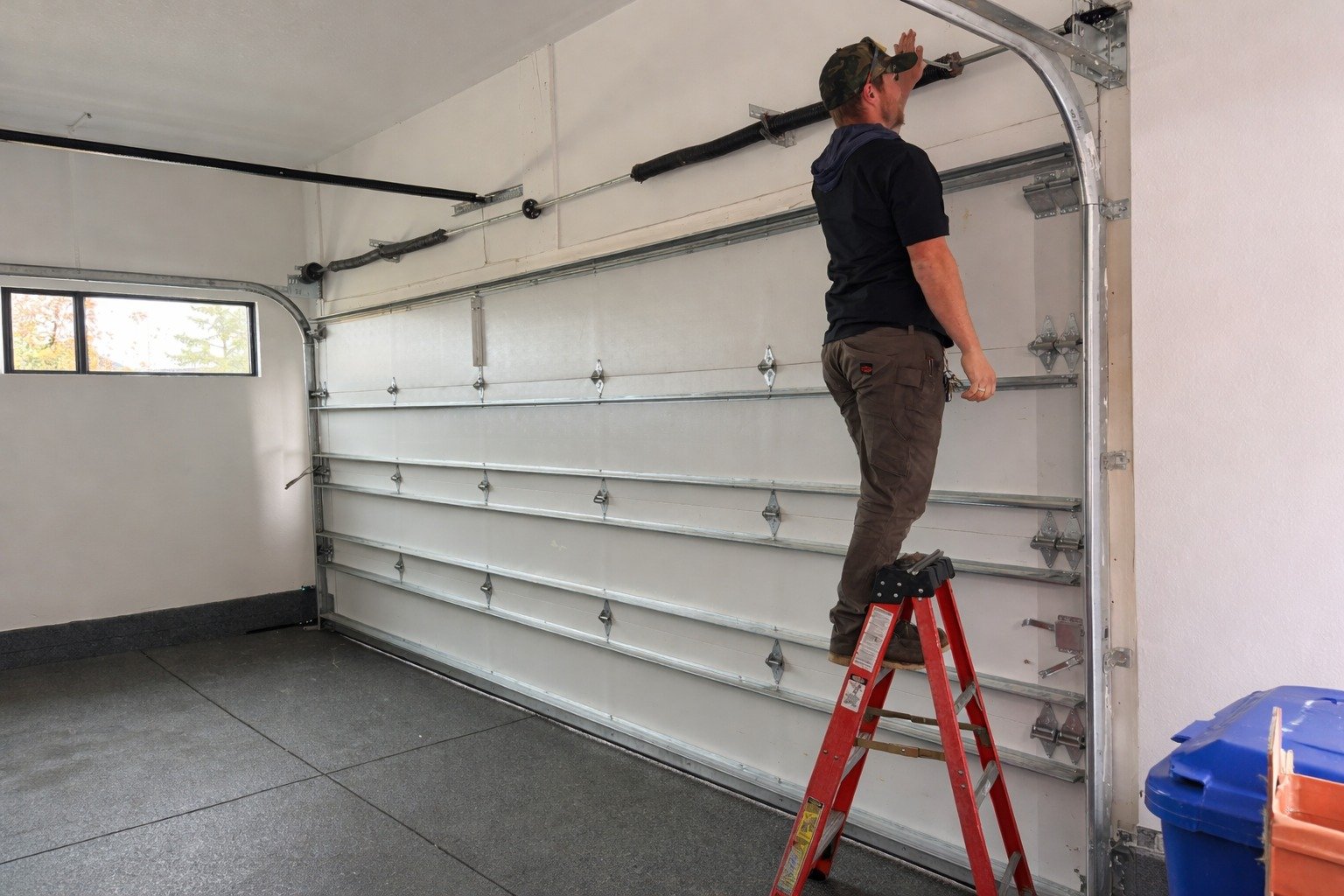
Written for Connecticut doors specifically: the freeze-thaw, the road salt, and the failures that cluster around the first hard frost.
Buying Guide
They look superb and they suit Connecticut architecture. There are four practical points worth understanding first.
Read the guide Openers
Exterior keypads live outside in Connecticut weather. Most failures are one of three things, and two are quick fixes.
Read the guide Buying Guide
Home inspections often give the garage door a cursory glance. Here is the five-minute check worth doing yourself.
Read the guide Troubleshooting
A door that is difficult on the first cycle and fine by afternoon is describing a very specific set of faults.
Read the guide Springs
Springs get the attention, but they only store energy. These are the parts that turn it into a door going up.
Read the guide Buying Guide
It is one of the most visible things on the front of a house — and in Connecticut there is a second reason buyers care.
Read the guide Safety
Some faults can wait until Tuesday. Some genuinely cannot. Here is how we triage the call.
Read the guide Maintenance
Servicing is sold everywhere and defined nowhere. Here is exactly what a thorough visit covers.
Read the guide Openers
An honest answer: sometimes yes. Here is where DIY is reasonable and where it stops being reasonable.
Read the guide Buying Guide
Each material behaves differently in heat, humidity and salt. Here is how they actually hold up here.
Read the guide Safety
The features that protect small hands and small people, and the three habits worth teaching early.
Read the guide Maintenance
If someone sleeps above or beside the garage, there are four changes that make a genuine difference — in order of impact.
Read the guide Springs
A walk through exactly what a spring replacement involves, so you know what you are paying for.
Read the guide Openers
App control, delivery access and notifications sound great in the brochure. Here is what customers actually end up using.
Read the guide Maintenance
Cold weather does four specific things to a garage door. Here is what goes wrong between the first hard freeze and the spring thaw, and what prevents it.
Read the guide Storm Prep
What the number on the label means, why the Connecticut shoreline are different, and how to check your own door.
Read the guide Troubleshooting
Tracks guide the whole door. When one goes out of true, every cycle makes the damage slightly worse.
Read the guide Openers
Misaligned photo-eyes are the single most common reason a garage door refuses to close. Here is how to set them right yourself.
Read the guide Troubleshooting
A door that sits crooked at the floor is showing you a cable, drum or track problem — and it will get worse.
Read the guide Storm Prep
Road brine comes home on the car and sits on the bottom section all winter. Here is where it does its damage, and the maintenance that actually slows it down.
Read the guide Buying Guide
Why two quotes for the same job differ, and which differences are worth paying for.
Read the guide Maintenance
The most common maintenance job, and the one most often done with the wrong product in the wrong places.
Read the guide Safety
The garage is often the least secure entry to a house, and the weaknesses are consistent and cheap to fix.
Read the guide Troubleshooting
A door that starts up and then gives up is describing its fault quite precisely, if you know how to read it.
Read the guide Buying Guide
A reversing car meets the bottom section surprisingly often. Whether you can swap one panel depends on three things.
Read the guide Openers
A remote that used to work from the end of the street and now needs you on the driveway is telling you something specific.
Read the guide Openers
Openers rarely die of old age. They die of lifting doors they were never meant to lift. Here is what actually determines lifespan.
Read the guide Storm Prep
Wind damage is often invisible until the door is next cycled — and that first cycle is where hidden damage becomes real damage.
Read the guide Maintenance
Rollers are small, inexpensive and the single biggest contributor to how loud your garage door is.
Read the guide Buying Guide
A step-by-step account of a proper installation, so you can tell whether the job you are getting is being done correctly.
Read the guide Safety
The red cord is the most misunderstood part of a garage door. Pulling it at the wrong moment is how people get hurt.
Read the guide Maintenance
Water, pests, dust and heat all come in the same way. Seals cost very little and are the most neglected part of the door.
Read the guide Openers
The one feature that matters most in a state that loses power regularly, and what to do if your opener does not have it.
Read the guide Springs
Two spring quotes can differ by a factor of three in lifespan and look identical on paper. Here is the number to ask for.
Read the guide Buying Guide
Insulation is sold on energy savings, but in a Connecticut garage the bigger wins are noise, rigidity and a room you can actually use.
Read the guide Troubleshooting
A door that opens fine but refuses to close is usually one of five things, and three of them you can fix in five minutes.
Read the guide Safety
Lift cables give plenty of notice before they part. Almost nobody looks at them until one has already gone.
Read the guide Storm Prep
Living near the water shortens the life of every steel part on your door. Here is what corrodes first and how to slow it down.
Read the guide Openers
The drive type decides how loud your opener is, how much maintenance it needs and how long it lasts. Here is the honest comparison.
Read the guide Safety
Auto-reverse is the feature that stops a garage door closing on a child or a pet. It is also the feature most likely to be quietly broken.
Read the guide Maintenance
One simple test tells you more about the health of your garage door than any other check. Here is how to do it safely.
Read the guide Troubleshooting
Grinding, popping, squealing and banging are four different faults. Learn to read the noise and you can usually predict the repair.
Read the guide Storm Prep
Nor'easters, wind off the Sound and winter power cuts all test the largest opening in your house. What to check before the weather turns, and what to look at afterwards.
Read the guide Buying Guide
Material, insulation, panel style and opener pairing are the four decisions that determine how a door looks and performs a decade from now.
Read the guide Safety
An off-track door is a genuine safety risk. What to do immediately, what never to attempt, and what the repair actually involves.
Read the guide Maintenance
Humidity, salt air and storm season are hard on hardware. A short seasonal routine that meaningfully extends the life of your door.
Read the guide Springs
Two systems, two very different safety profiles, two different repair bills. How to tell which one you have and why it matters.
Read the guide Openers
Dead remote batteries, misaligned sensors, a tripped circuit or a failed logic board cause most opener call-outs. Here is how to tell them apart before you call anyone.
Read the guide Buying Guide
Age alone is not a reason to replace a door. Here is the practical test we use on site to work out whether repairing still makes financial sense.
Read the guide Springs
A snapped spring is the most common garage door emergency we attend, and it almost always gives warning first. Here is what to watch and listen for.
Read the guide






The questions we get asked on the phone most often, answered the way we would answer them there.
Nothing. We inspect, tell you what we found and give you a fixed price. If you would rather not go ahead, that is the end of it — there is no call-out fee for the visit.
Almost certainly a broken torsion spring. Do not try to lift the door by hand and do not run the opener: the door is now carrying its full weight, which on a double is well over 100kg. Ring us and leave it alone.
Usually not, and it is often the cheapest visit we make. The photo-eye sensors sit six inches off the floor and get knocked out of line by anything leaned against them, or blinded by dirt and damp on the lens.
More often repaired than people expect. A stripped drive gear, a dead capacitor or a disengaged trolley all leave a motor that runs and a door that does not move. We test before recommending replacement.
Twice a year. Once before winter so the door is not fighting stiff grease in the cold, and once after it to get road salt off the bottom section before it sits there through the summer.
The whole state — from the Fairfield County shoreline through Greater Hartford and New Haven to the Litchfield Hills and the eastern half. Most jobs are same-day.