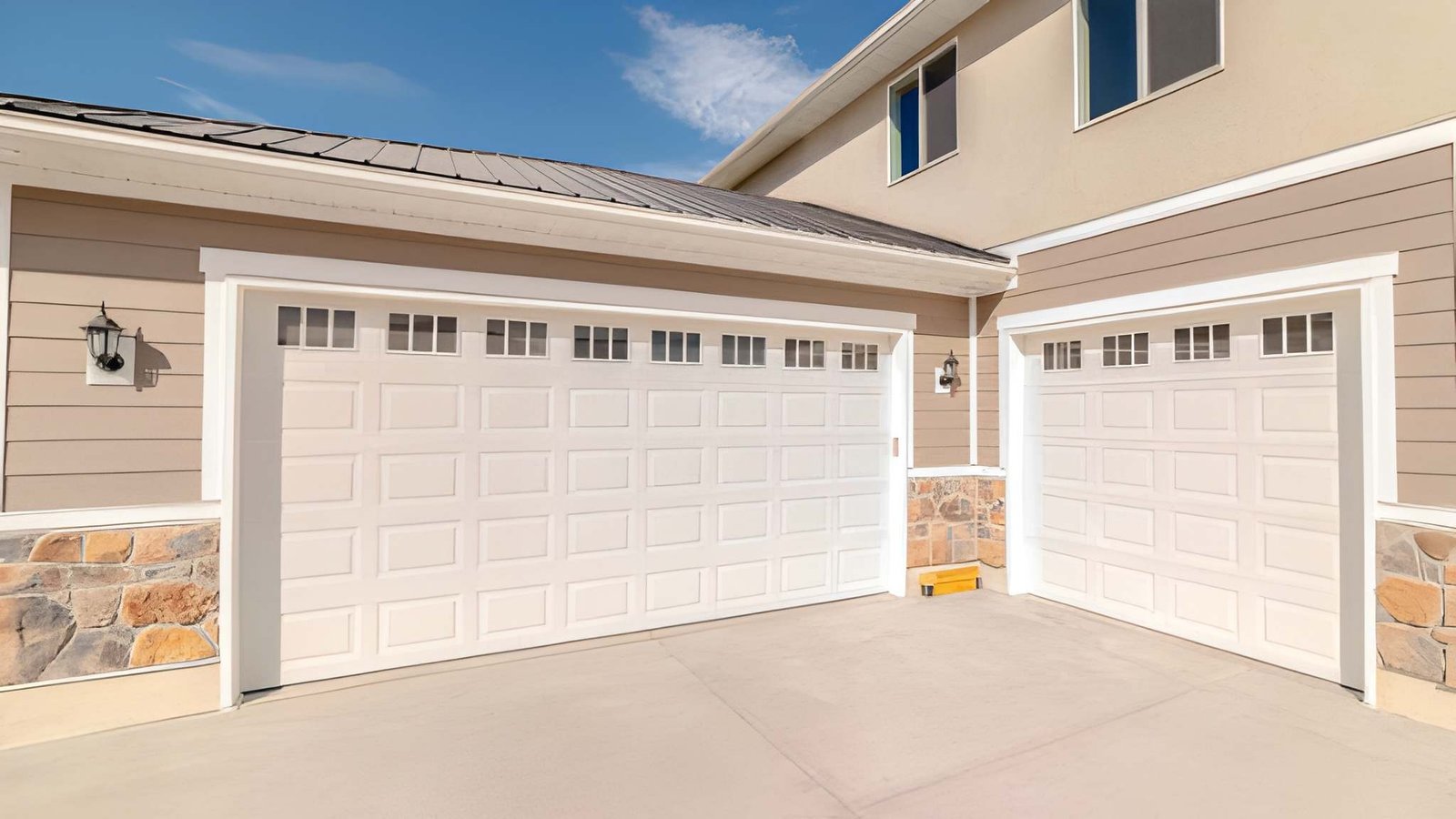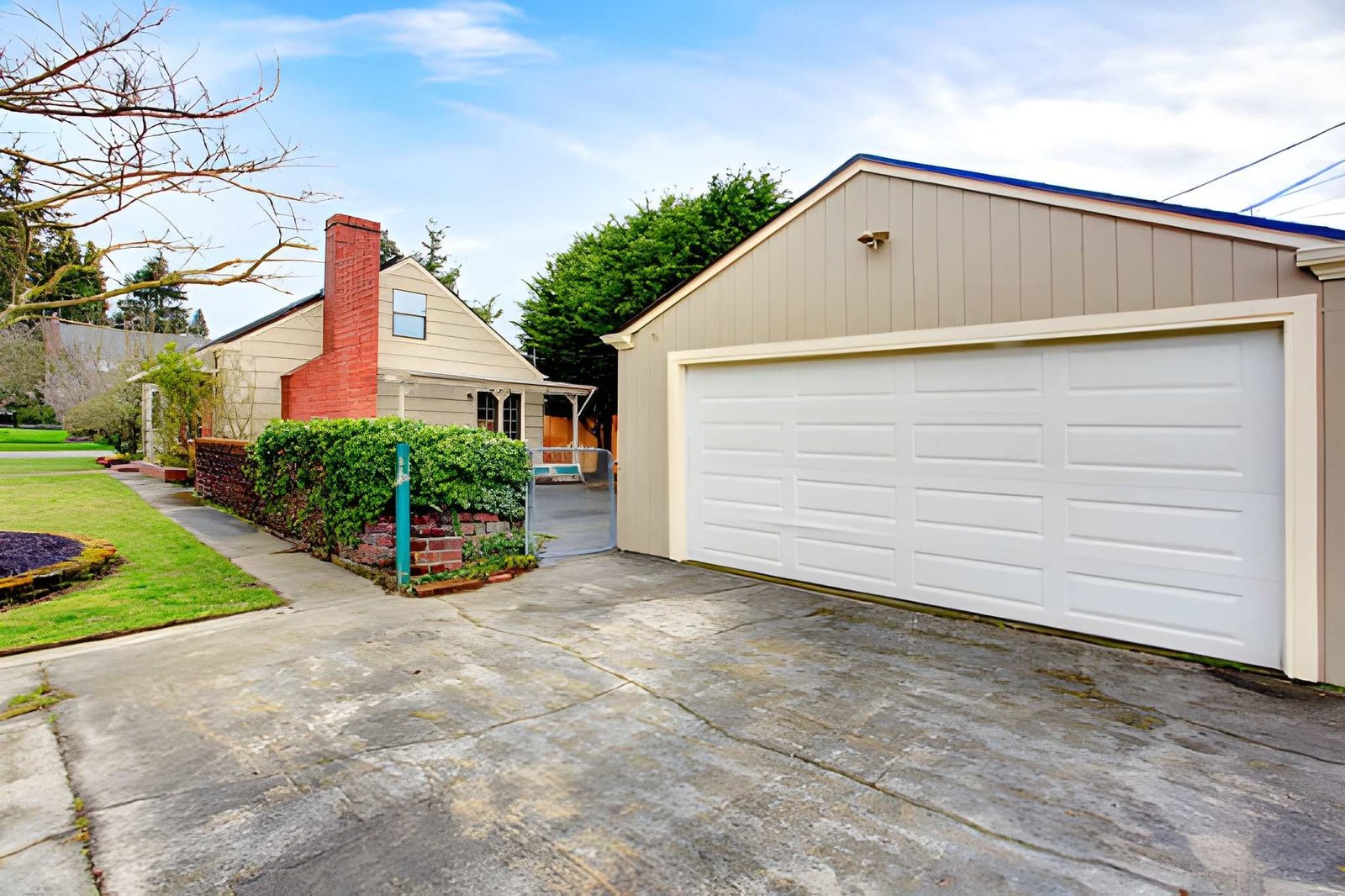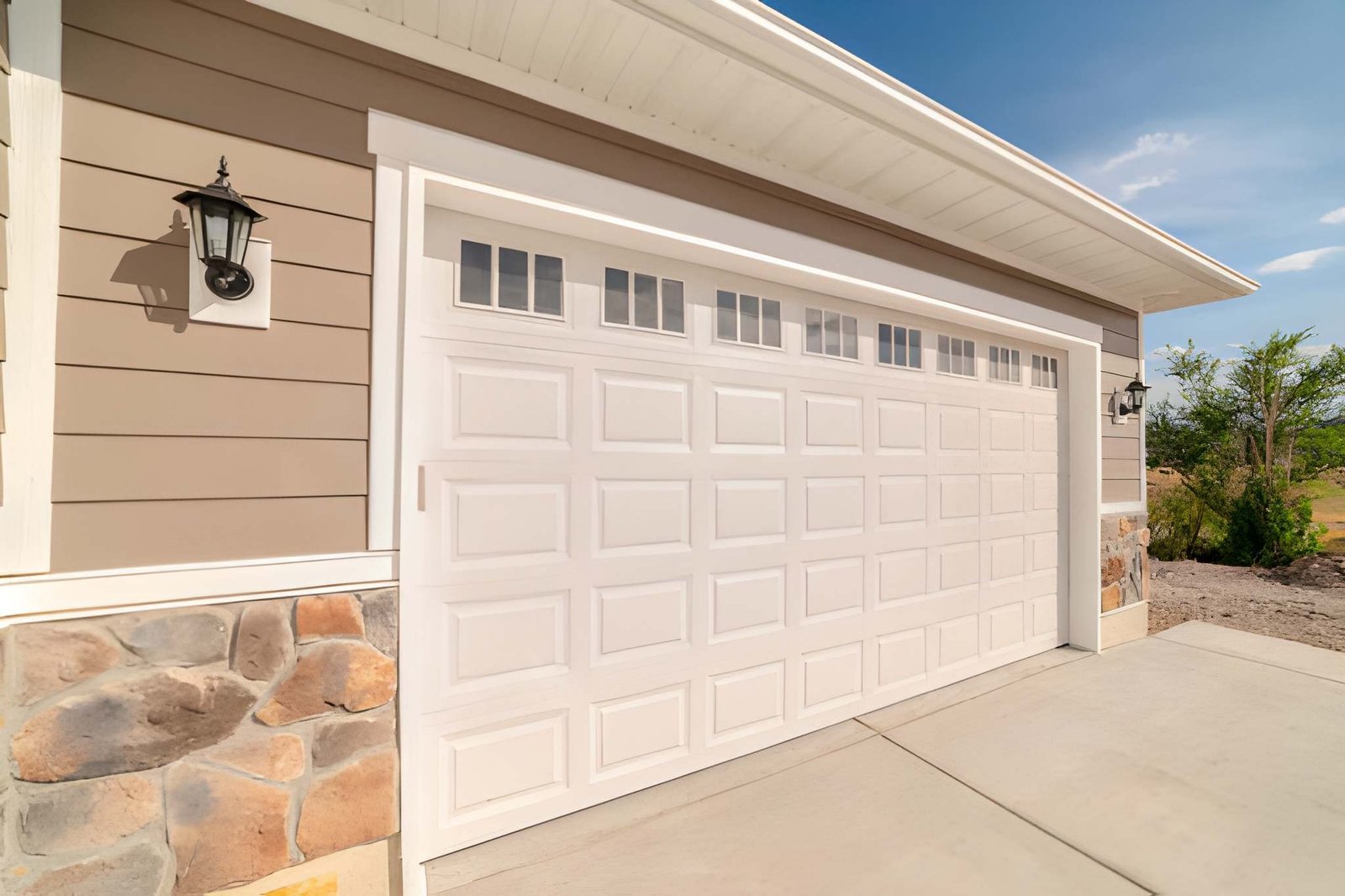
An attached garage is a way into your house, and it is routinely secured with less thought than a ground-floor window. A handful of inexpensive changes close most of that gap, and none of them require replacing the door.
The five common weaknesses
- Old fixed-code remotes — anything pre-1996 may be trivially copied. Rolling code is the fix.
- The emergency release reachable from outside with a hook through the top of the door.
- A remote clipped to the visor of a car parked on the driveway.
- The internal door from garage to house treated as an interior door — it is an exterior door.
- Windows in the garage door or side door left uncovered, advertising what is inside.
The remote on the visor is the one people find hardest to give up and the easiest for somebody else to use.
Max Quality Garage Door technicians
Worth doing
Fit a keypad and stop carrying a remote at all. Upgrade a pre-rolling-code opener. Treat the house-to-garage door as an exterior door with a proper deadbolt. Frost or cover garage windows. If you travel, most modern openers have a vacation or lock mode that disables remotes entirely.
Do not disable the release
Removing the emergency release to stop hook attacks is not the answer — you will need it in a power cut. A properly fitted shield addresses the risk without removing the safety feature.
Why this is worth two minutes of your month
A garage door is the heaviest moving object most houses contain, and modern ones have real safety engineering built into them: two independent reversing systems, sections designed not to trap fingers, and containment so a failed spring cannot travel.
All of it only helps while it is working, and all of it can stop working silently. A photo-eye knocked half an inch out of line still looks fine. Force limits wound up to compensate for a stiff door still open it normally. Nothing announces itself — which is exactly why it is worth deliberately testing rather than assuming.
The two tests, and how to do them properly
The first is the photo-eyes. With the door open, press close and pass something through the beam near the floor — a broom handle is ideal. Never a hand or a foot. The door should stop and reverse immediately, not hesitate or continue.
The second is the mechanical reverse. Lay a solid object flat on the floor in the door's path and close it. When the door meets the object it should reverse on contact. If it presses down, keeps going, or needs a shove to trigger, the force setting is too high and needs adjusting rather than living with.
What we check on a safety visit
The same sequence every time, because safety systems fail quietly:
- Photo-eye alignment and the condition of both lenses — damp and grit cause as many faults as knocks do.
- The mechanical auto-reverse, tested against a solid object laid on the floor.
- Force settings, checked against what the door actually needs rather than what it has been given.
- Spring containment, and safety cables on any door running extension springs.
- The manual release, which needs to work when the power does not.
Attached garages and the heating bill
Most garages here are attached, which makes the door a large part of the building envelope rather than an outbuilding detail. An uninsulated door on an attached garage is a hole in the side of the house for five months. It is not the reason to replace a door on its own, but it changes the sums considerably when you are already weighing repair against replacement.
Knowing when to stop using it
This matters more than any maintenance tip. If the door is crooked, if it stops half-way, or if something let go with a bang, stop cycling it.
Almost all the expensive damage we see is not the original fault. It is what happened afterwards, when somebody kept pressing the button and bent track, stripped a gear or pulled a cable off its drum in the process.
The warning people talk themselves out of
A door that has started to feel heavy by hand. It is easy to put down to a cold morning or getting older. It is almost always the Garage Door Springs losing tension, and it is the clearest advance notice you will get before one breaks.
The practical upshot
Two services a year, a light spray on the moving parts, and a thirty-second balance test now and then. That is genuinely most of it.
Doors that get that treatment last decades. Doors that get nothing until something snaps do not, and the difference in cost over a door's life is considerable.
We cover 74 Connecticut towns, usually same day.