We Look Properly
We cycle the door by hand and under power, check the balance with the opener disconnected, and find the part that has actually failed rather than the one that is easiest to replace.

Most doors give you warning before they fail. We find what is actually wrong, tell you what it costs, and fix it in one visit wherever we can.
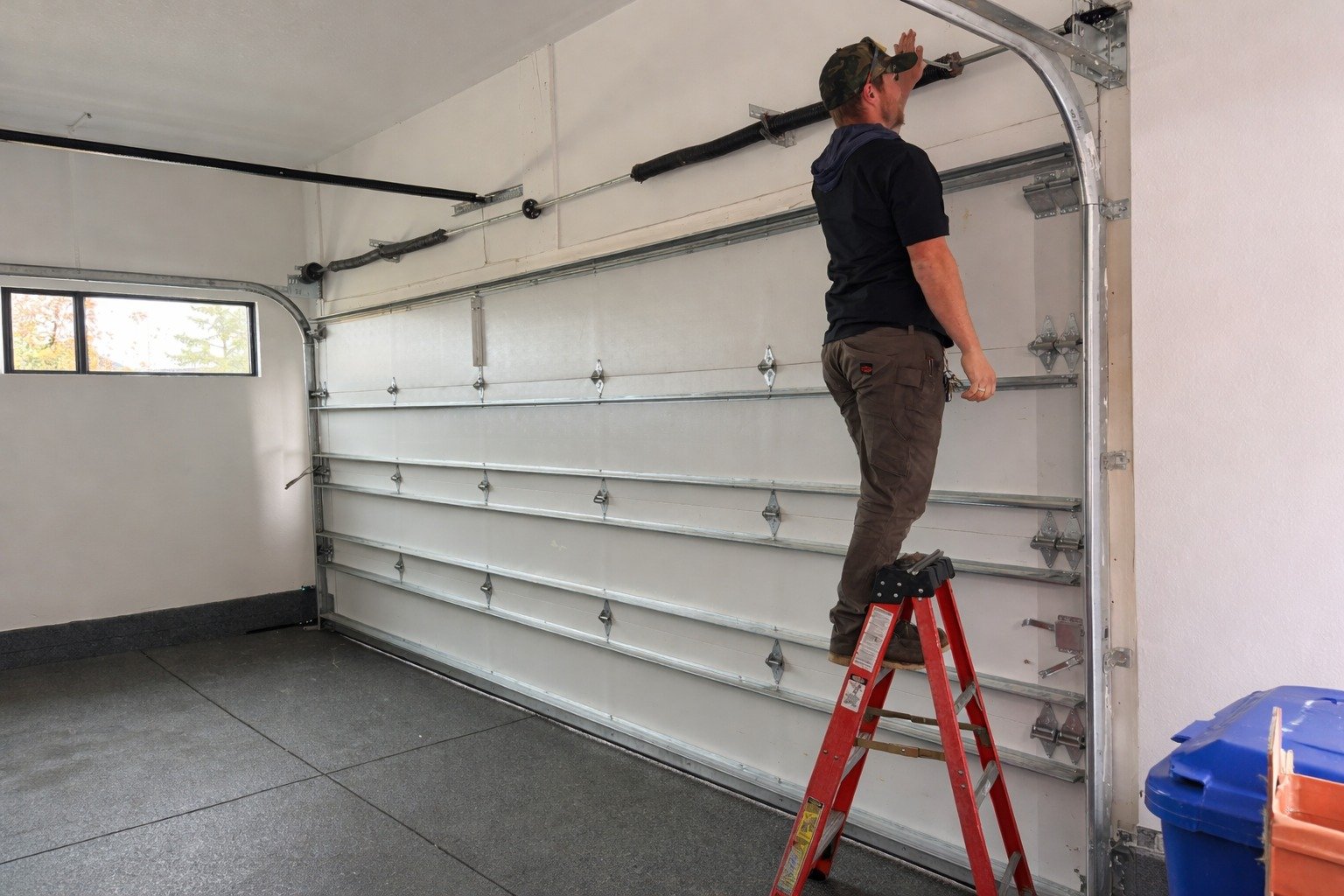
A garage door is the heaviest moving object in most houses, and when it stops working it usually does so at the worst possible moment. We come out, put the door through a full cycle by hand and under power, and tell you which part has actually failed — not which part is easiest to sell you. Most repairs are finished on the first visit because the van carries the parts that fail most often.
Connecticut is hard on door hardware. Road brine rides home on the car all winter and dries on the bottom section, freeze-thaw works fixings loose, and cold mornings are when tired springs finally let go. We see the same failures often enough to recognise them quickly, and we will tell you plainly whether a repair buys you years or just months.
Our technicians cover Killingly and the surrounding Connecticut communities daily, so we can usually be on site the same day you call.
Killingly is inland in Windham County, which spares your door the constant salt-air exposure that shoreline properties deal with. What it does not spare you is winter. Road brine comes home on the car and dries on the bottom section and track every time you park, and the freeze-thaw swing through a Quiet Corner winter works fasteners loose and stiffens every moving part in the system.
Connecticut's freeze-thaw cycle is what a door in Killingly really has to survive. Steel torsion springs get brittle as the temperature drops, so a spring already near the end of its cycle life almost always lets go on a cold morning rather than a mild one. The same swing moves the slab and jamb just enough that a door which sealed cleanly in October can be showing daylight down one side by February.
Our busiest stretch in Killingly runs from the first hard freeze through to the spring thaw. A door that is noisy or slow in November is a door that breaks in January, so a pre-winter check is worth far more here than an emergency call-out in the cold.
Nearly every call we take falls into one of these six. Each one has a clear cause and a clear fix, and none of them get better on their own.
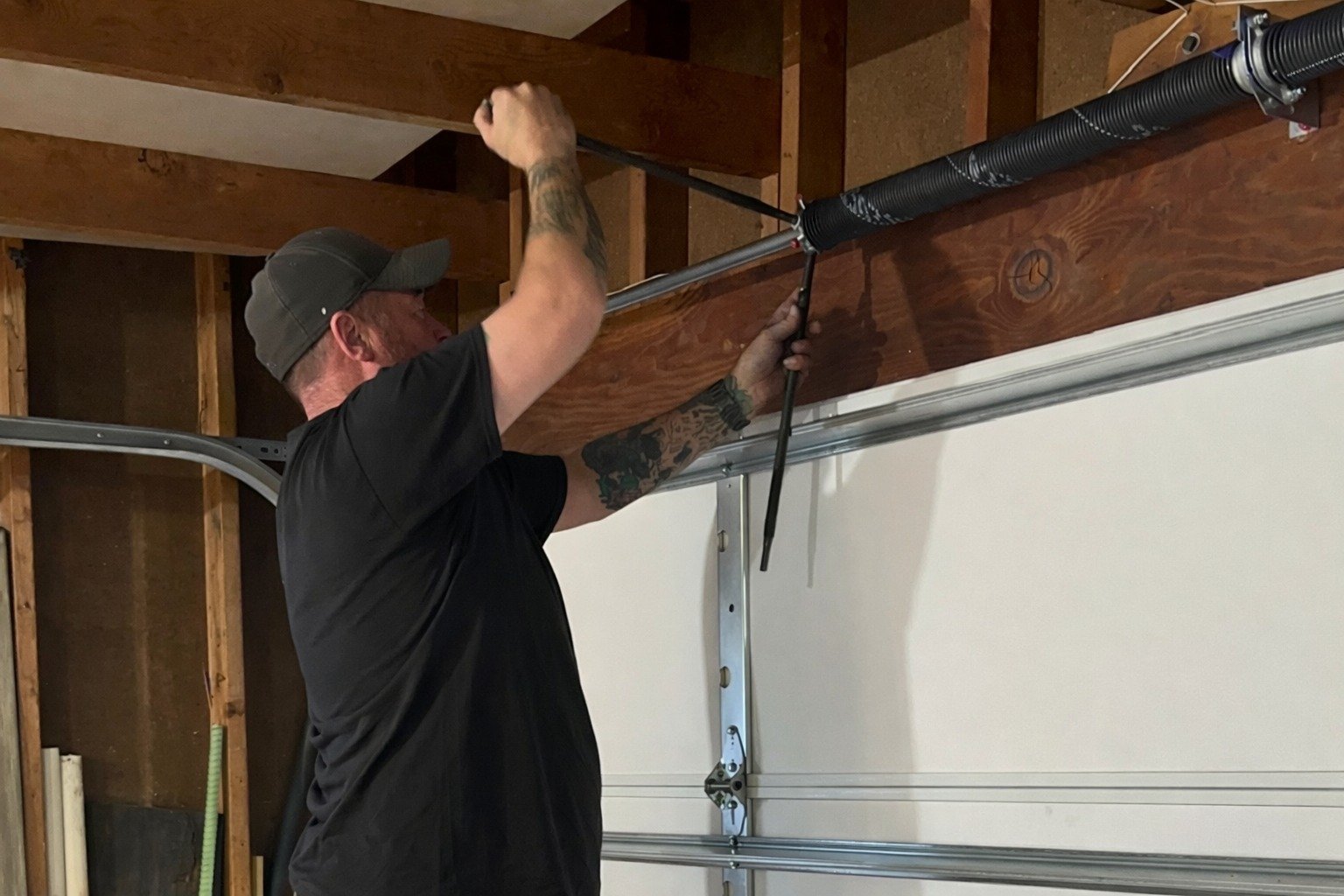
A snapped torsion spring leaves the door at its full weight — often well over 100kg. We replace springs in matched pairs, sized to your door rather than whatever is on the van, and rebalance the door afterwards.
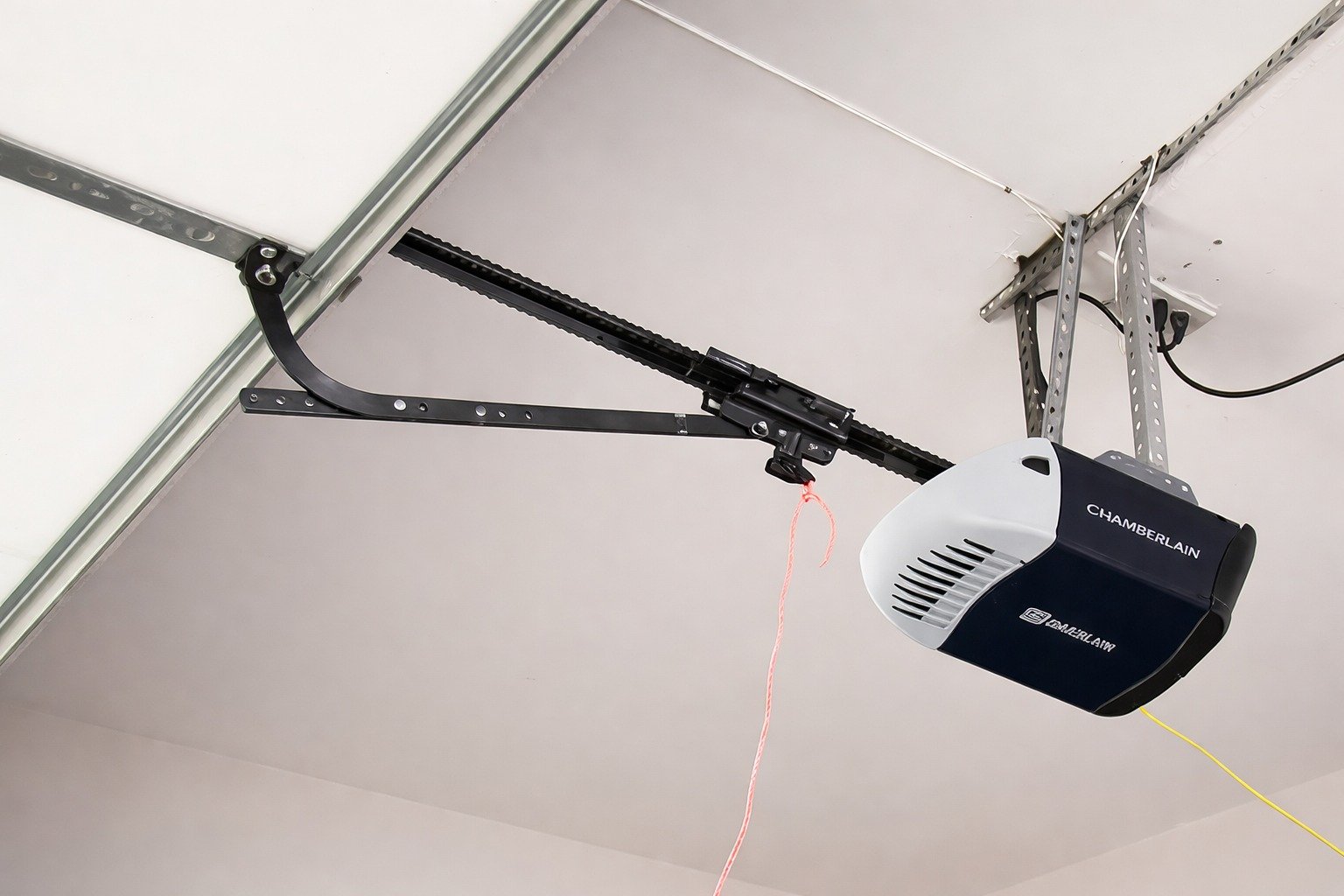
Openers usually fail in a way that looks worse than it is: a stripped drive gear, a dead capacitor or a disengaged trolley. We test the unit before recommending replacement, because the motor is fine more often than not.
Cables carry the door’s weight alongside the springs, and they fray from the drum outwards where you cannot see them. We replace them in pairs and check the drums are seated evenly before the door goes back into service.
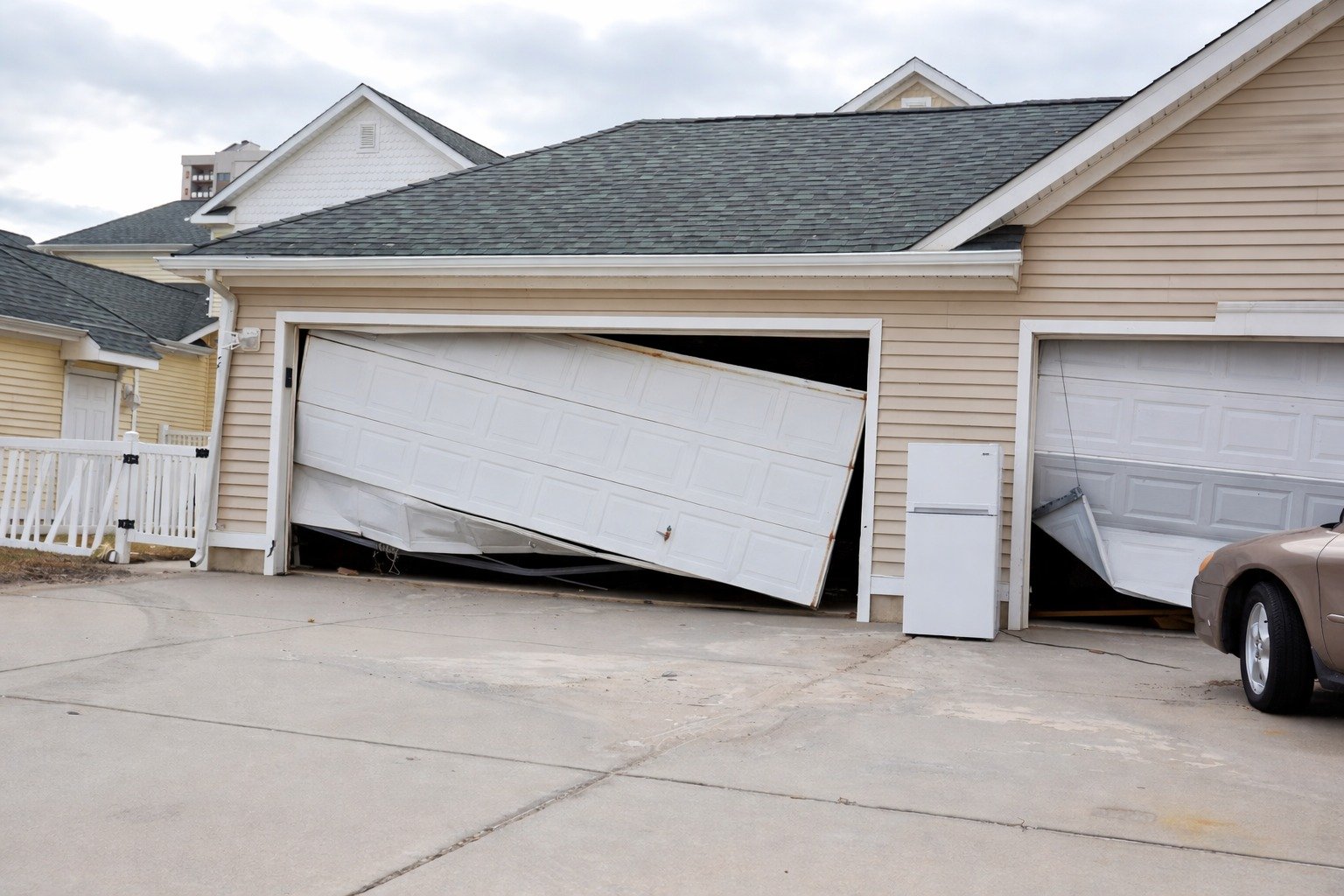
A door off its track has usually taken a knock or lost a roller. We take the weight, realign the sections and repair the track — and if the track is bent past straightening, we say so rather than forcing it back.
Worn rollers and hinges are behind most of the noise people put up with for years. Replacing them is one of the cheapest jobs we do and makes an immediate difference to how the door sounds and runs.
Dented and rusted sections affect more than looks: a distorted panel changes how the whole door tracks. We replace individual sections where the rest of the door is sound, which is far cheaper than a full replacement.
The faults we attend most in Killingly. None of them fix themselves, and every one of them is cheaper to deal with before it fails completely than after.
Describe the fault in your own words and we will come back with a time. The inspection is free, the price is fixed before work starts, and you are under no obligation.
Trusted by 3,995+ Connecticut homeowners across 74 cities.
We follow a simple, efficient process to deliver fast, reliable garage door solutions with zero hassle from start to finish.
We cycle the door by hand and under power, check the balance with the opener disconnected, and find the part that has actually failed rather than the one that is easiest to replace.
We explain what we found in plain terms, what it needs now and what can wait, and give you a fixed price before anything starts. Decide against it and the inspection still costs you nothing.
We do the work with parts sized to your door, rebalance it, and test both safety reverses in front of you. Most jobs finish on the first visit because the van carries what usually fails.







All 74 towns, across all eight counties. Pick yours for local availability, response times and pricing.
The questions we get asked on the phone most often, answered the way we would answer them there.
Noise is the usual first sign — grinding, banging or a new rattle. After that: the door moving unevenly, stopping part-way, reversing on its own, or feeling heavy when you lift it by hand. Any of those is worth a look before it becomes a breakdown.
Most repairs take one to two hours. Spring and cable work is usually quicker; track damage and section replacement take longer because the door has to be dismantled and re-squared.
Yes, for most faults, and emergencies jump ahead of routine work. If we cannot get to you the same day we will tell you when we can rather than leaving you waiting.
Springs and cables are under enough tension to cause serious injury, and they are the two parts that fail most. Lubrication, keeping the sensors clean and tightening loose bolts are all fine to do yourself. Anything holding the door’s weight is not.
Yes. Doors and openers vary far less than the badges suggest, and we carry parts that fit the common systems — LiftMaster, Chamberlain, Craftsman, Genie, Amarr, Clopay and the rest.
Whatever your door needs, the same trained team handles it — often on the same visit.