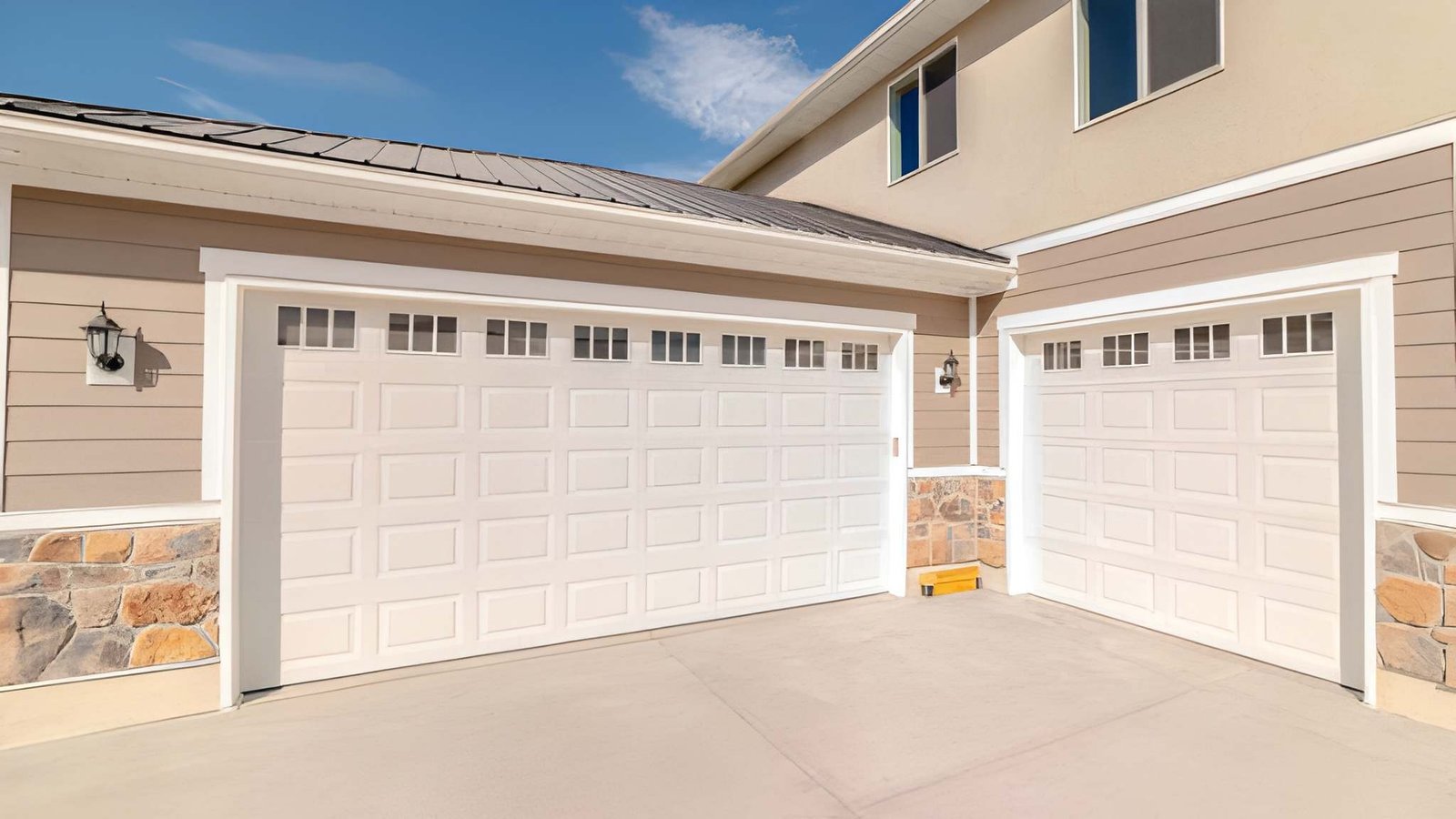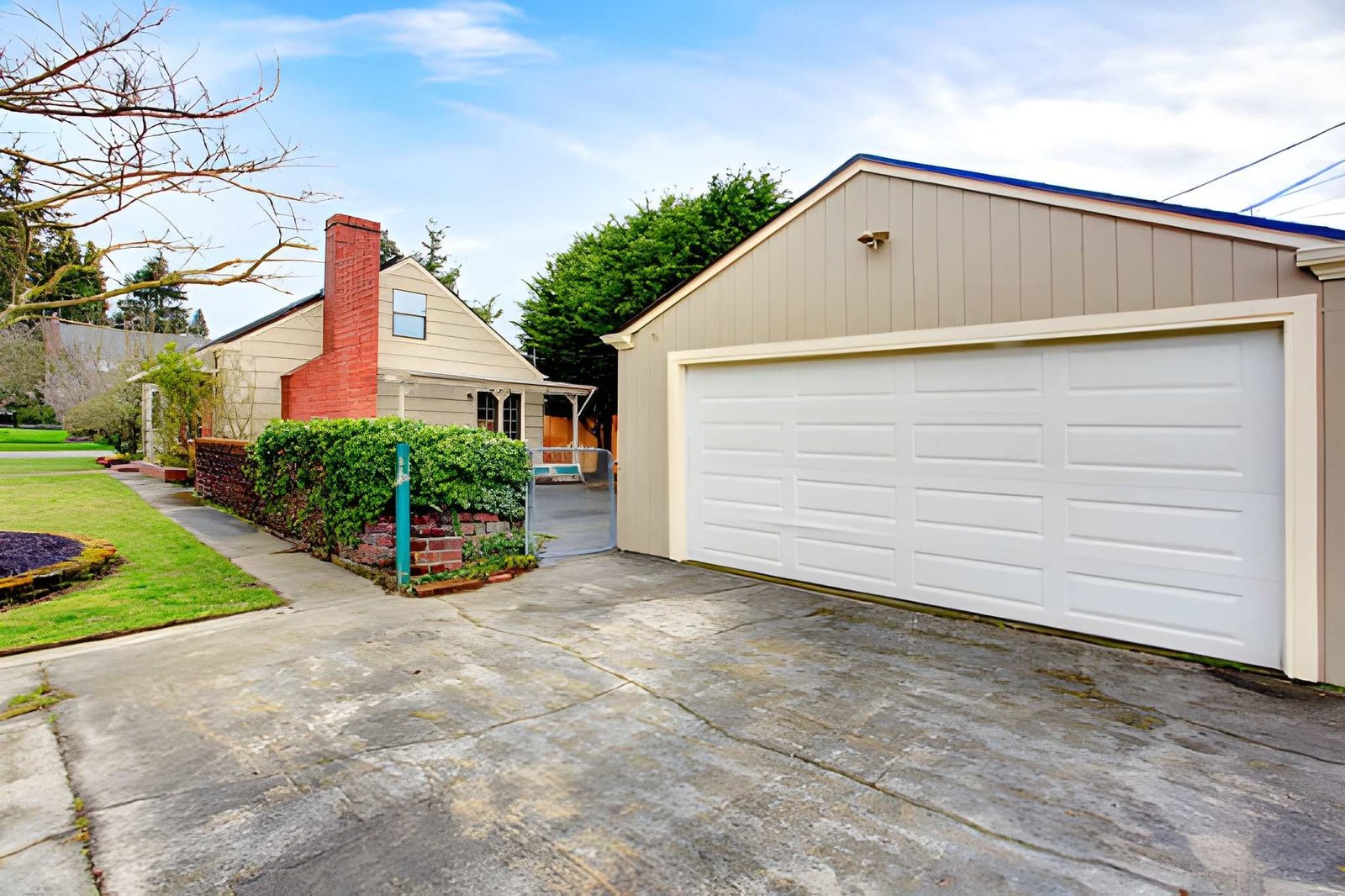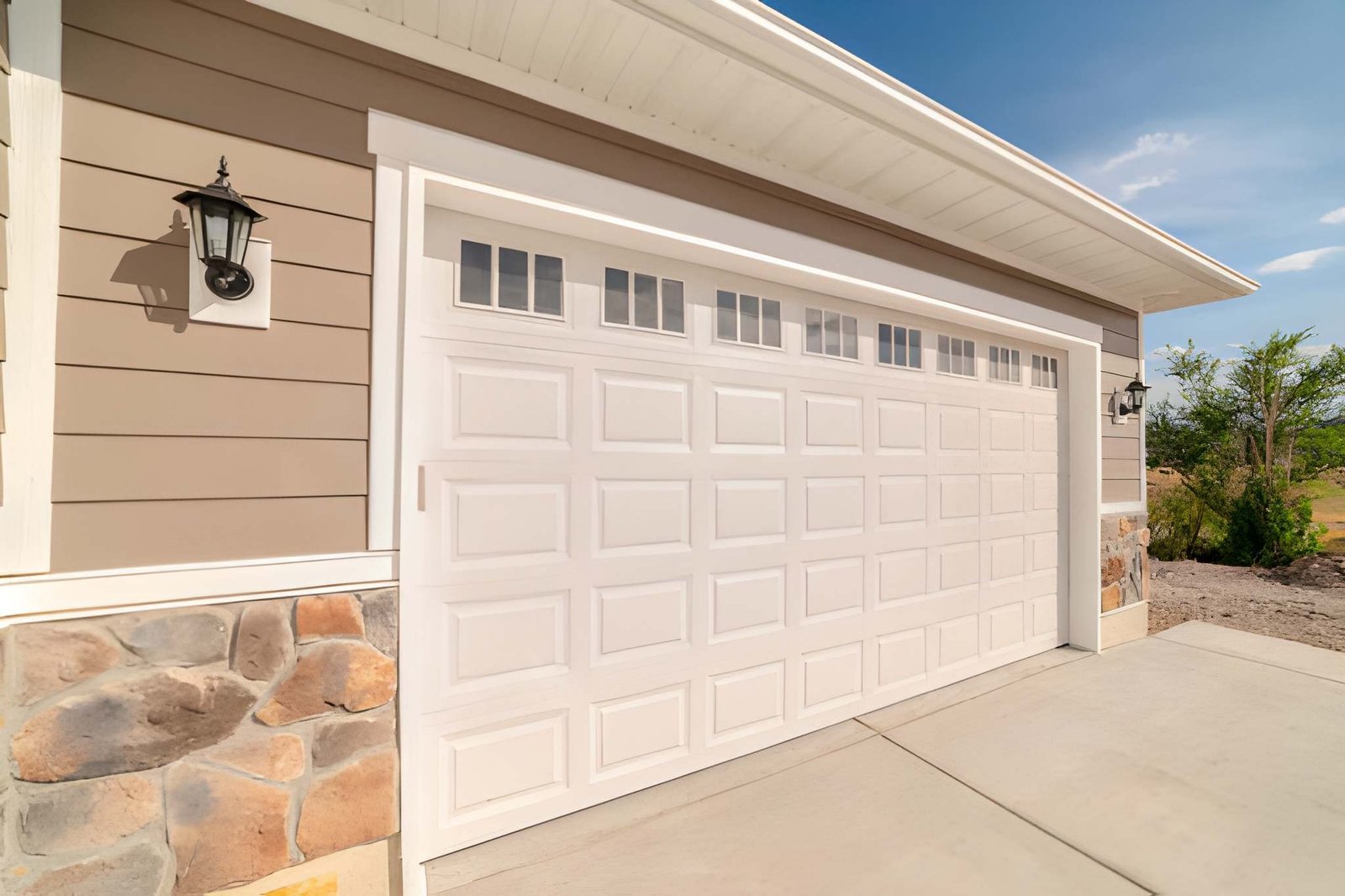
Material tends to get chosen on looks and price, in that order. In Connecticut it is worth putting climate first, because the winters here are what decide whether the door still looks like that in ten years.
| Material | In Connecticut | Best suited to |
|---|---|---|
| Insulated steel | Handles cold and damp well; watch cut edges where road salt collects | Most homes — the default for good reason |
| Aluminium | Will not rust, which is a real advantage on the coast | Beachfront, modern full-view designs |
| Composite / faux wood | Wood look, no swelling or rot | Character homes without the upkeep |
| Real wood | Hard work here — damp and freeze-thaw both attack it | Only with committed maintenance |
We fit a lot of insulated steel and very little real wood. Wood doors look wonderful for about three years here and then need serious attention.
Max Quality Garage Door technicians
The coastal exception
Within sight of salt water, aluminium becomes genuinely attractive. It costs more and dents more easily, but it does not rust, and rust is what finishes steel doors near the beach.
Do not judge steel by gauge alone
A lower gauge number means thicker steel. But construction matters more — a two or three layer door with a polyurethane core is stiffer and quieter than a thicker single skin.
Whatever you choose
- Confirm the wind-load rating for your address.
- Check what the finish warranty covers, and for how long, in coastal conditions.
- Ask about the hardware — galvanised or coated makes a real difference near salt.
- Match the Garage Door Opener to the finished door weight.
What actually matters when you are choosing
A garage door is often a third of everything you see from the street, which makes it a design decision. It is also the largest opening in the building, which makes it a structural one. Both halves matter and people usually only think about the first.
In Connecticut the structural half is not optional: the design wind speed assigned to your address determines what the door has to be rated for, and shoreline addresses carry more than inland ones. After that it comes down to insulation, which matters far more on an attached garage than a detached one, and to material — steel for almost everyone, wood only if you genuinely intend to maintain it.
Where the money actually goes
Two quotes for what looks like the same job can differ by a surprising amount, and it is rarely the labour that separates them. Fitting a cheap spring and fitting a good one take the same hour.
The difference is almost always the parts. A spring rated for ten thousand cycles and one rated for thirty thousand cost very different money and last very differently — on a busy family door, that is the gap between seven years and twenty. The other half is what gets included: whether the cables, drums and bearings are replaced alongside, or left in place to fail next.
What we go through before quoting
A price given over the phone for a door is a guess. These are the things that actually decide what you can fit and what it costs:
- Opening width and height, plus headroom above and side room either side — these decide which track configuration is even possible.
- The design wind speed at your address specifically. Shoreline towns carry higher pressures than the inland hills, and it changes what is allowed.
- Whether the garage is attached, and what sits above or beside it. That drives the insulation decision more than personal preference does.
- The condition of the existing framing and floor. A slab that has settled changes how the door will seal.
- How the door is actually used — a door cycled eight times a day needs different springs from one used twice.
The two visits a year that matter
We suggest servicing twice here rather than annually, and the timing is the point. Once before the cold so the door is not fighting stiff grease and a tight track through the worst of it. Once after, to get the winter's road salt off the bottom section before it sits there through the summer quietly eating the steel. Miss the second one and you pay for it in about three years.
The twenty minutes that prevents most call-outs
Take a socket set to every hinge, bracket and track bolt on the door. Firm, not over-tight. A year of vibration works them loose, and loose fixings are where rattles, misalignment and eventually track damage all begin.
Then lubricate properly: hinge pivots, roller stems, spring coils and end bearings. Never the track — rollers are meant to roll along it, and a greased track just collects grit and grinds it into the rollers.
The mistake we see most
Reaching for general penetrating oil. It is a solvent, not a lubricant: it strips out what was there, flashes off, and leaves the part drier than before. Then it collects grit. Use a proper lithium or silicone garage door spray instead.
The practical upshot
Two services a year, a light spray on the moving parts, and a thirty-second balance test now and then. That is genuinely most of it.
Doors that get that treatment last decades. Doors that get nothing until something snaps do not, and the difference in cost over a door's life is considerable.
We cover 74 Connecticut towns, usually same day.