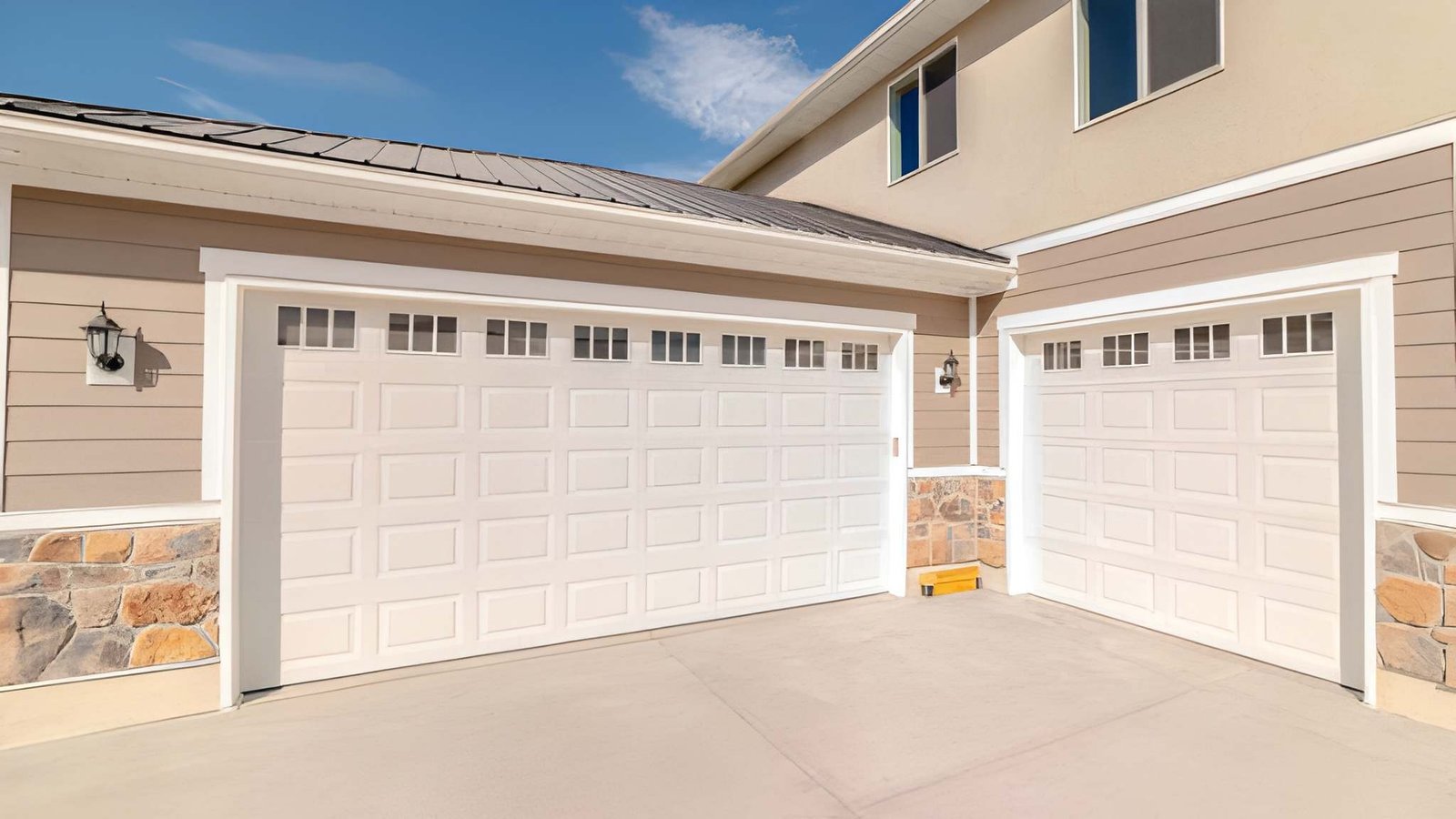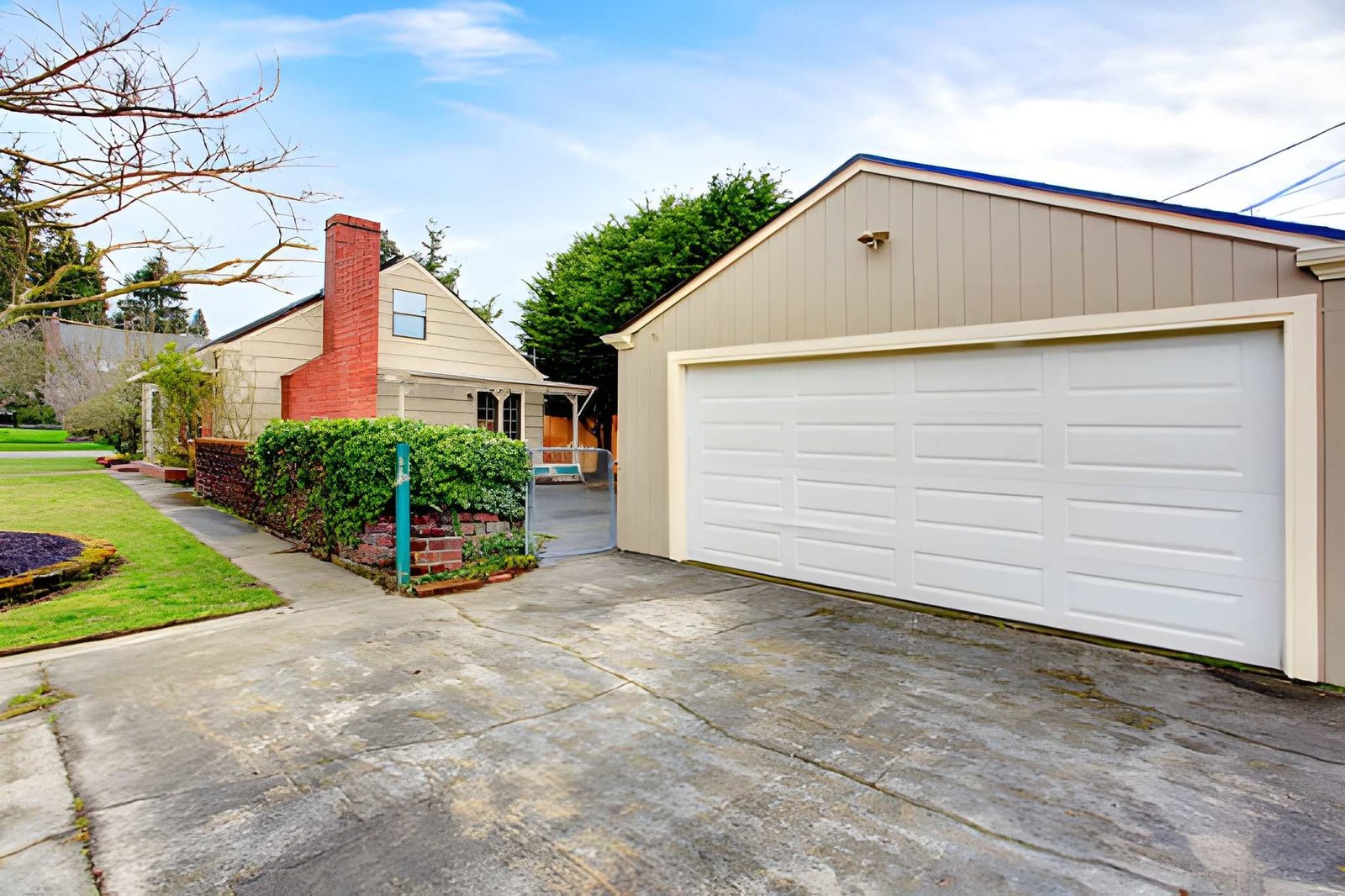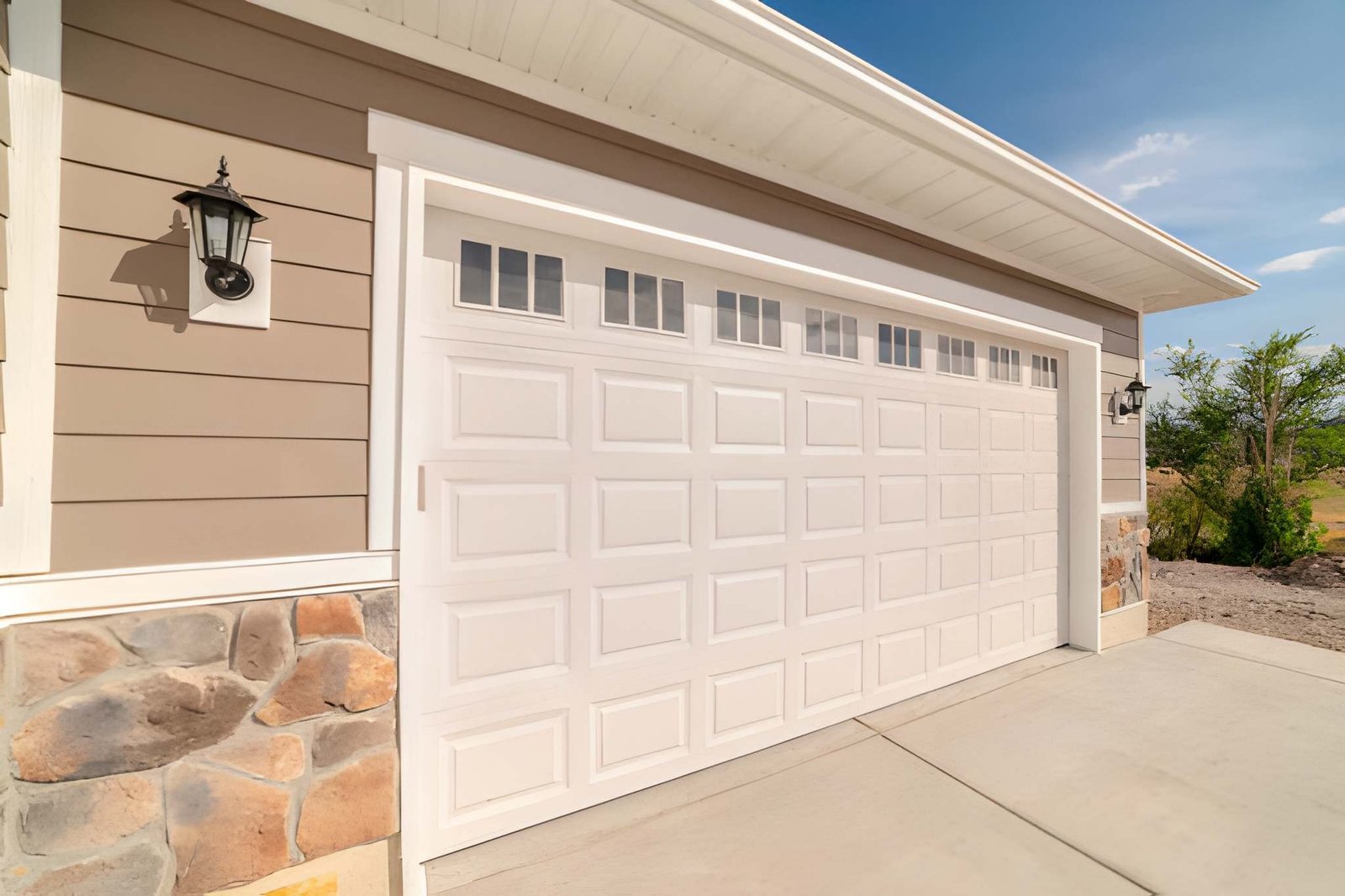
Sectional doors are built so that individual sections can be swapped out, which is exactly what you want after a reversing van meets the bottom panel. Whether it is the right call comes down to availability, colour match and how many sections took the hit.
Three questions
| Question | If yes | If no |
|---|---|---|
| Is the model still in production? | Section swap is straightforward | Matching sections may be unobtainable |
| Is only one section damaged? | Repair is usually cheaper | Costs converge on a new door quickly |
| Is the damage cosmetic only? | Swap or even leave it | Structural damage means replace |
A ten-year-old door in a discontinued colour is the awkward case. The section is often available in white and nothing else, and a new white panel on a faded almond door looks worse than the dent did.
Max Quality Garage Door technicians
What counts as structural
Damage at the hinge lines, a bent strut, or distortion where the bottom bracket mounts. Those affect how the door tracks and how load is carried, and they are not cosmetic regardless of appearance.
The insurance angle
If a vehicle caused it, this is often a claim. Photograph the damage before anything is touched, and get the quote to state whether a section swap is possible and why. Insurers ask.
What actually matters when you are choosing
A garage door is often a third of everything you see from the street, which makes it a design decision. It is also the largest opening in the building, which makes it a structural one. Both halves matter and people usually only think about the first.
In Connecticut the structural half is not optional: the design wind speed assigned to your address determines what the door has to be rated for, and shoreline addresses carry more than inland ones. After that it comes down to insulation, which matters far more on an attached garage than a detached one, and to material — steel for almost everyone, wood only if you genuinely intend to maintain it.
Where the money actually goes
Two quotes for what looks like the same job can differ by a surprising amount, and it is rarely the labour that separates them. Fitting a cheap spring and fitting a good one take the same hour.
The difference is almost always the parts. A spring rated for ten thousand cycles and one rated for thirty thousand cost very different money and last very differently — on a busy family door, that is the gap between seven years and twenty. The other half is what gets included: whether the cables, drums and bearings are replaced alongside, or left in place to fail next.
What we go through before quoting
A price given over the phone for a door is a guess. These are the things that actually decide what you can fit and what it costs:
- Opening width and height, plus headroom above and side room either side — these decide which track configuration is even possible.
- The design wind speed at your address specifically. Shoreline towns carry higher pressures than the inland hills, and it changes what is allowed.
- Whether the garage is attached, and what sits above or beside it. That drives the insulation decision more than personal preference does.
- The condition of the existing framing and floor. A slab that has settled changes how the door will seal.
- How the door is actually used — a door cycled eight times a day needs different springs from one used twice.
The two visits a year that matter
We suggest servicing twice here rather than annually, and the timing is the point. Once before the cold so the door is not fighting stiff grease and a tight track through the worst of it. Once after, to get the winter's road salt off the bottom section before it sits there through the summer quietly eating the steel. Miss the second one and you pay for it in about three years.
What to check before you call anyone
Look at the photo-eyes first. They sit six inches off the floor, which is where snow gets shovelled and where things get leaned. A lens that is dirty, damp or a few degrees out of line will stop a door closing and produce a fault that looks far worse than it is.
Then check the trolley is engaged. A motor that runs while nothing moves is very often nothing more than a release cord somebody pulled and forgot about.
The DIY job that goes wrong most
Anything involving springs or cables. They hold the entire weight of the door under tension, and they are the two parts most likely to fail. Lubrication, cleaning the sensors and tightening bolts are all perfectly reasonable to do yourself. The parts carrying the load are not.
Worth remembering
A door that is balanced, correctly lubricated and has working safety reverses will outlast one that is not by years rather than months. Nothing on that list is expensive or difficult.
If any of this sounds like your door, it is worth looking at while it is still an inconvenience rather than a breakdown.
We cover 74 Connecticut towns, usually same day.