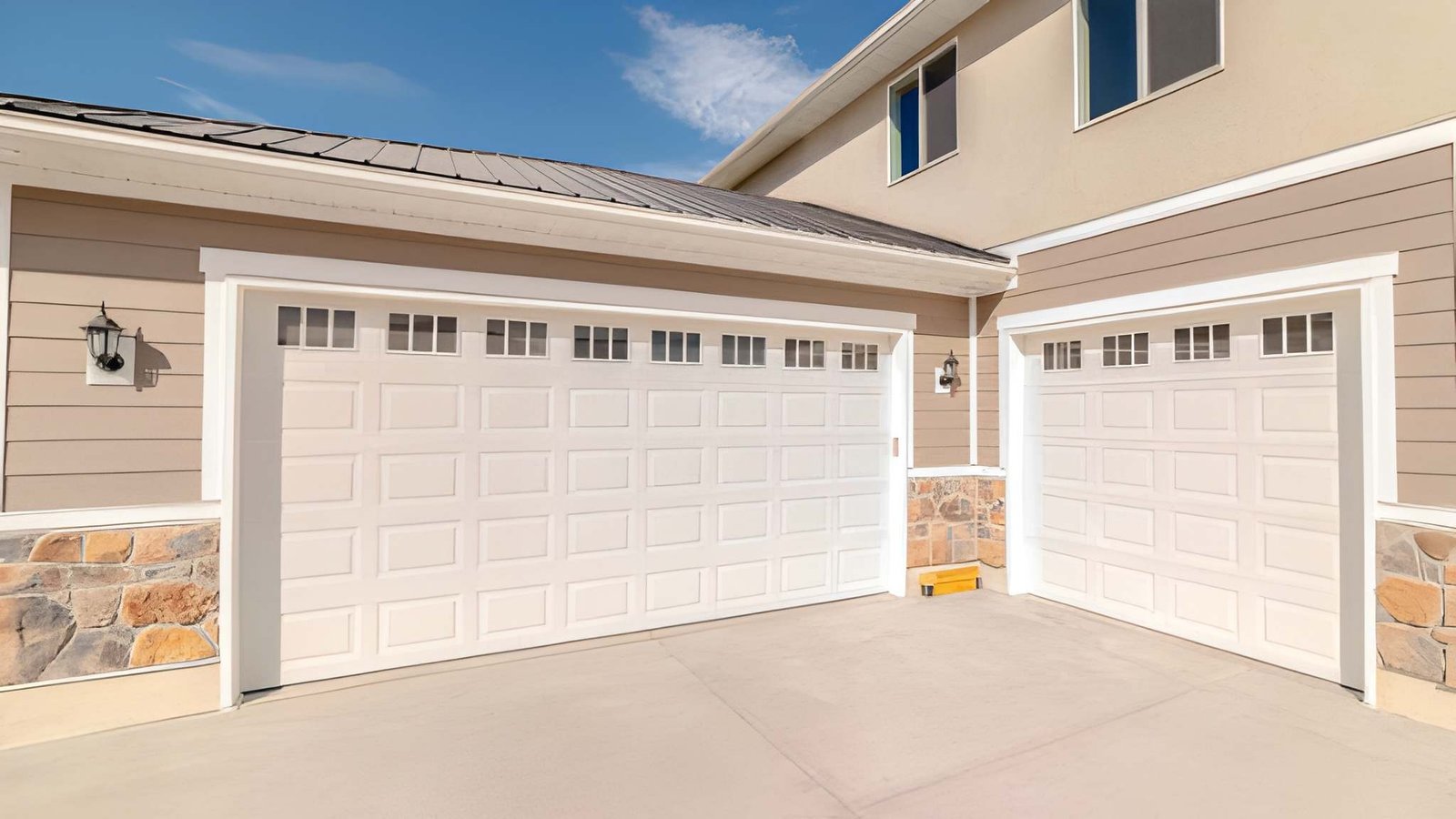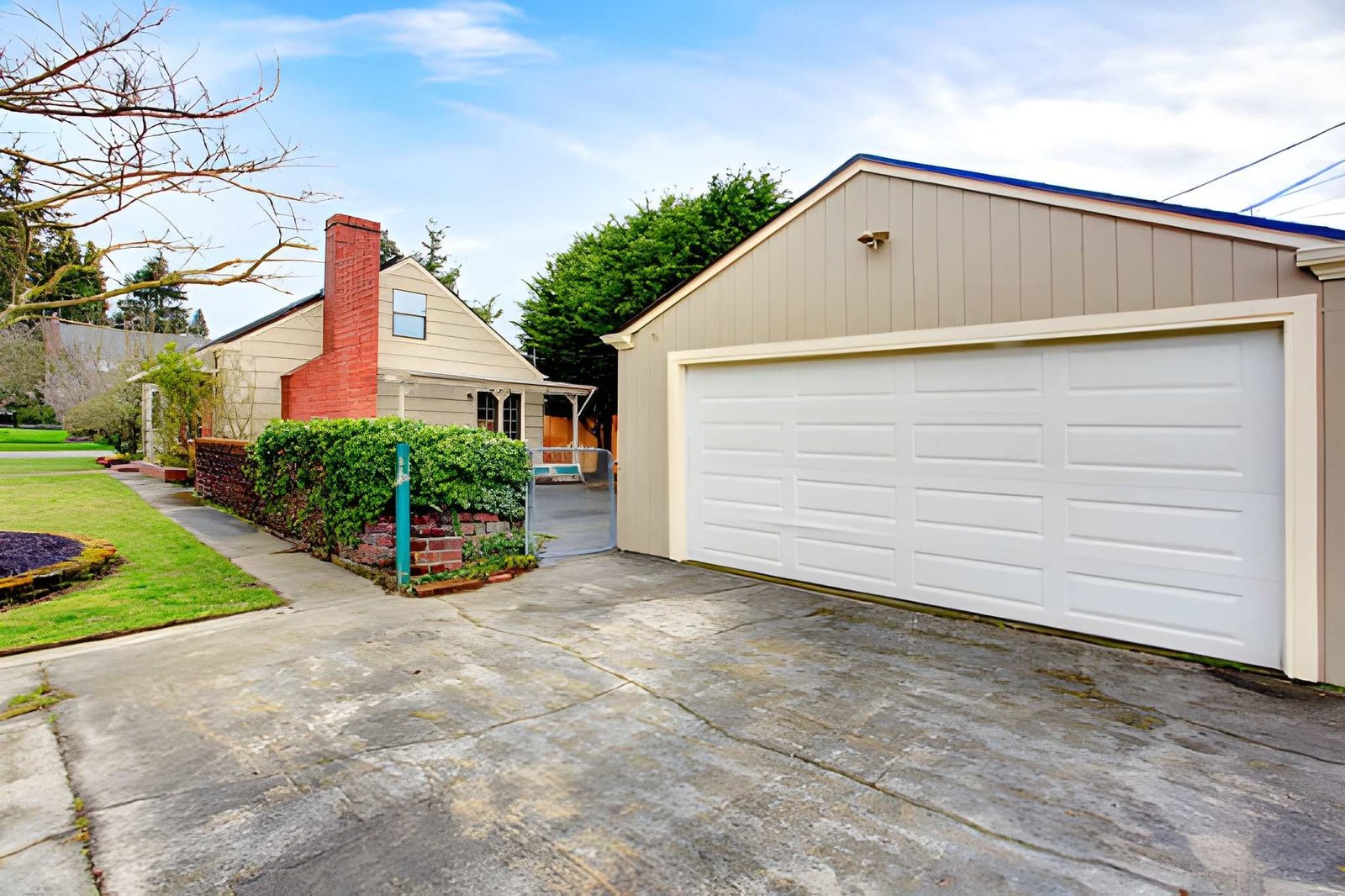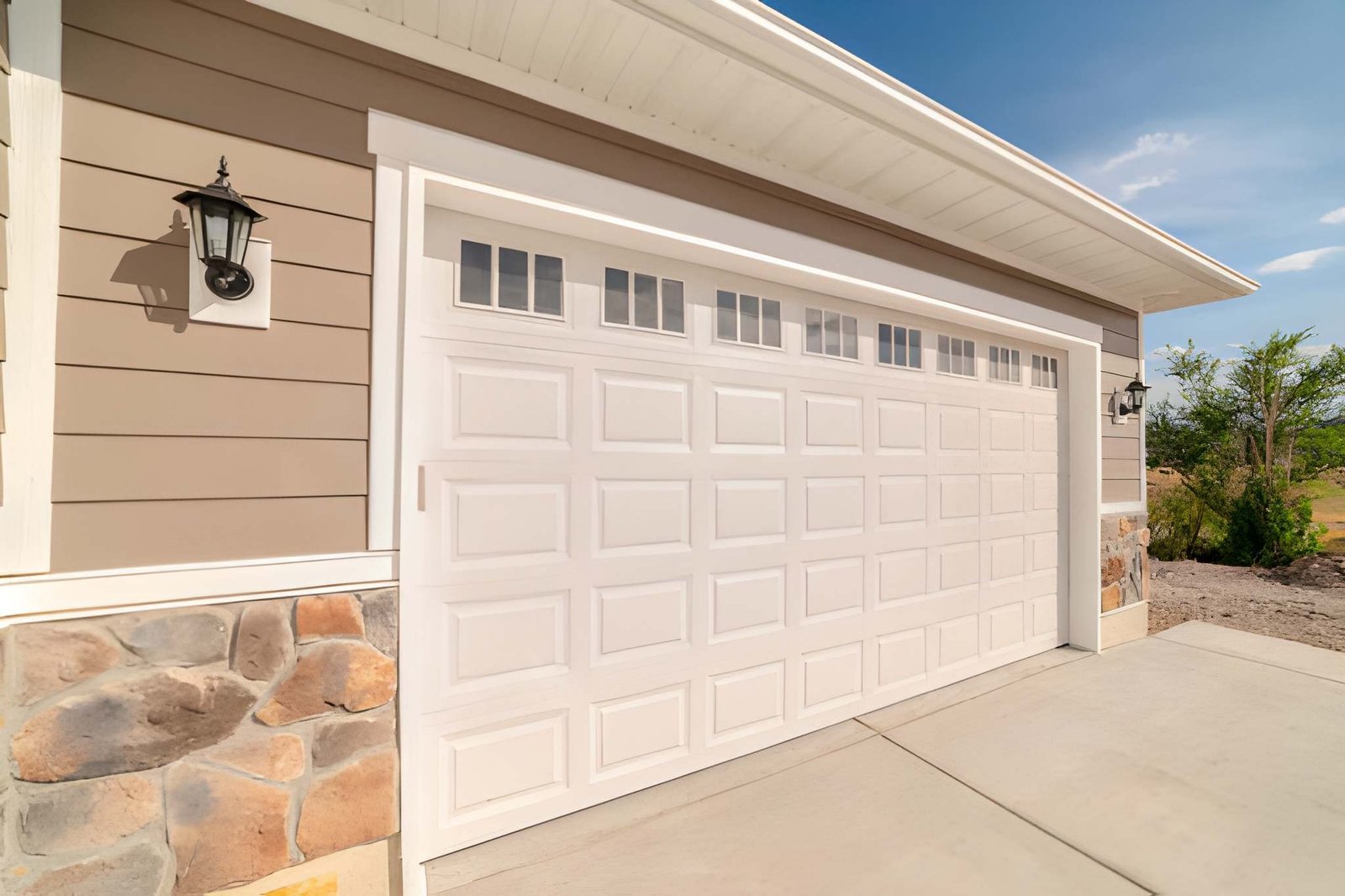
Stand on the pavement opposite most houses and the garage door accounts for somewhere between a fifth and a third of everything you can see. That single fact is why it comes up in nearly every conversation about kerb appeal and resale.
The Connecticut-specific angle
Here there is a second reason, and it is more concrete than appearance.
Buyers and their inspectors ask about the wind-load rating. An unrated or under-rated door is a negotiating point, and in some cases an insurance conversation.
A documented, correctly rated door removes a question from the sale. An unlabelled one invites it.
Max Quality Garage Door technicians
What buyers actually notice
In roughly this order
- Whether it looks tired — fading, dents, mismatched sections.
- Whether it sounds awful when demonstrated.
- Whether there is paperwork for the rating.
- Whether the Garage Door Opener is modern, quiet and has a battery backup.
If you are not replacing it
You can move the needle a lot without a new door. Replace tired seals, fit nylon rollers so it runs quietly during viewings, touch up the finish, and Garage Door Maintenance so it does not judder.
A well-maintained older door in good order shows far better than a newer one that has been ignored.
What actually matters when you are choosing
A garage door is often a third of everything you see from the street, which makes it a design decision. It is also the largest opening in the building, which makes it a structural one. Both halves matter and people usually only think about the first.
In Connecticut the structural half is not optional: the design wind speed assigned to your address determines what the door has to be rated for, and shoreline addresses carry more than inland ones. After that it comes down to insulation, which matters far more on an attached garage than a detached one, and to material — steel for almost everyone, wood only if you genuinely intend to maintain it.
Where the money actually goes
Two quotes for what looks like the same job can differ by a surprising amount, and it is rarely the labour that separates them. Fitting a cheap spring and fitting a good one take the same hour.
The difference is almost always the parts. A spring rated for ten thousand cycles and one rated for thirty thousand cost very different money and last very differently — on a busy family door, that is the gap between seven years and twenty. The other half is what gets included: whether the cables, drums and bearings are replaced alongside, or left in place to fail next.
What we go through before quoting
A price given over the phone for a door is a guess. These are the things that actually decide what you can fit and what it costs:
- Opening width and height, plus headroom above and side room either side — these decide which track configuration is even possible.
- The design wind speed at your address specifically. Shoreline towns carry higher pressures than the inland hills, and it changes what is allowed.
- Whether the garage is attached, and what sits above or beside it. That drives the insulation decision more than personal preference does.
- The condition of the existing framing and floor. A slab that has settled changes how the door will seal.
- How the door is actually used — a door cycled eight times a day needs different springs from one used twice.
The salt problem, inland and on the coast
Shoreline towns get salt off Long Island Sound all year. Everywhere else gets it off the road from December onwards, carried home on the car and dried onto the bottom section every time you park. The second kind does more damage than people expect, because it sits in exactly the place nobody looks: the lowest two feet of the door, the bottom rollers and the base of the track.
Knowing when to stop using it
This matters more than any maintenance tip. If the door is crooked, if it stops half-way, or if something let go with a bang, stop cycling it.
Almost all the expensive damage we see is not the original fault. It is what happened afterwards, when somebody kept pressing the button and bent track, stripped a gear or pulled a cable off its drum in the process.
The safety feature most people defeat
Winding up the force limits. When a door gets stiff, turning up the force makes the symptom go away — and disables the thing that stops the door closing on a child or a car bumper. If your door needs more force than it did last year, the answer is to find out why, not to give it more force.
Before you do anything else
Work out whether the door is safe to keep using. A spring, a cable or anything that has left the door crooked means stop. A noise, a slow cycle or an intermittent remote means you have time.
Getting that distinction right is worth more than any amount of troubleshooting.
We cover 74 Connecticut towns, usually same day.