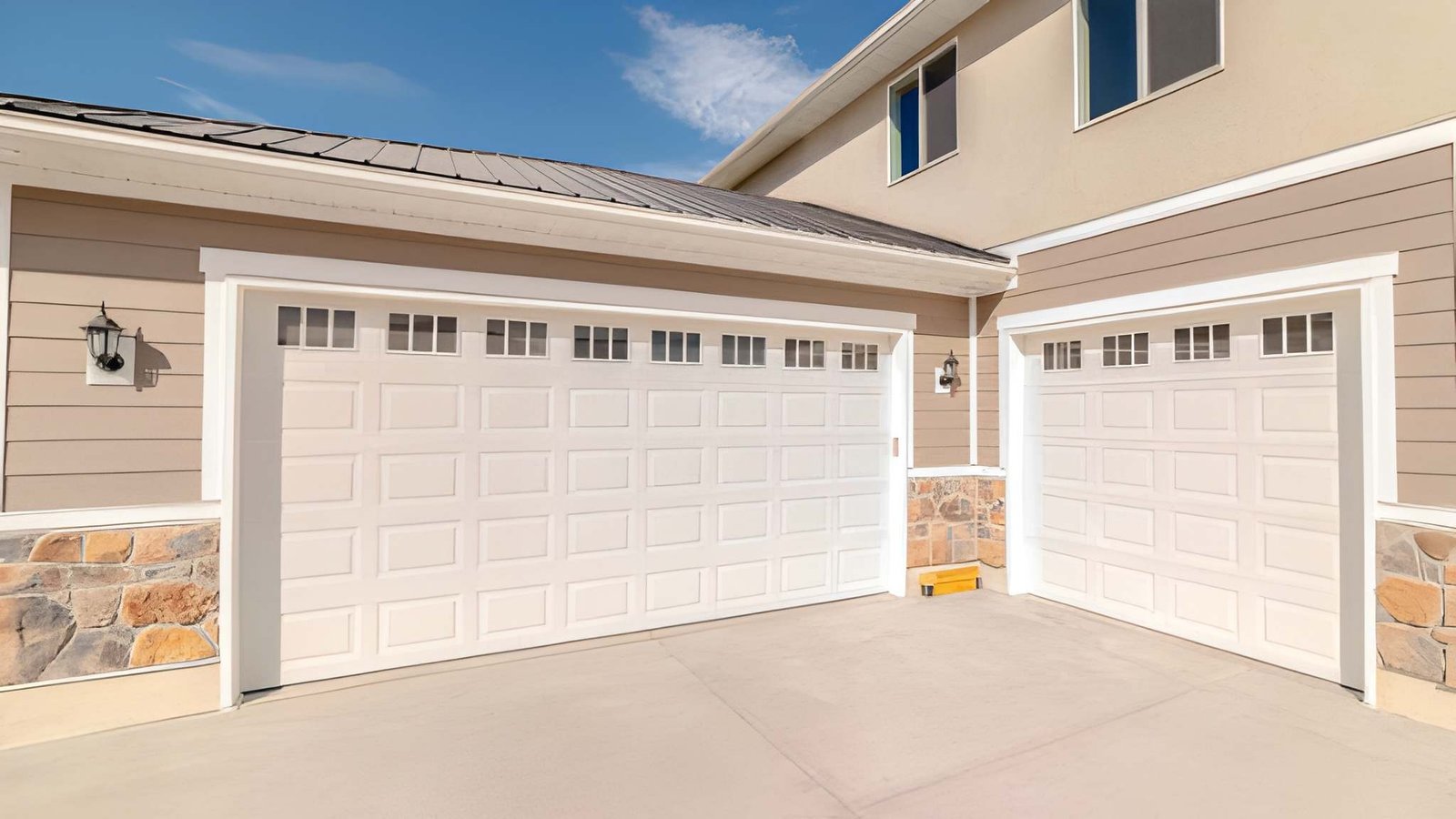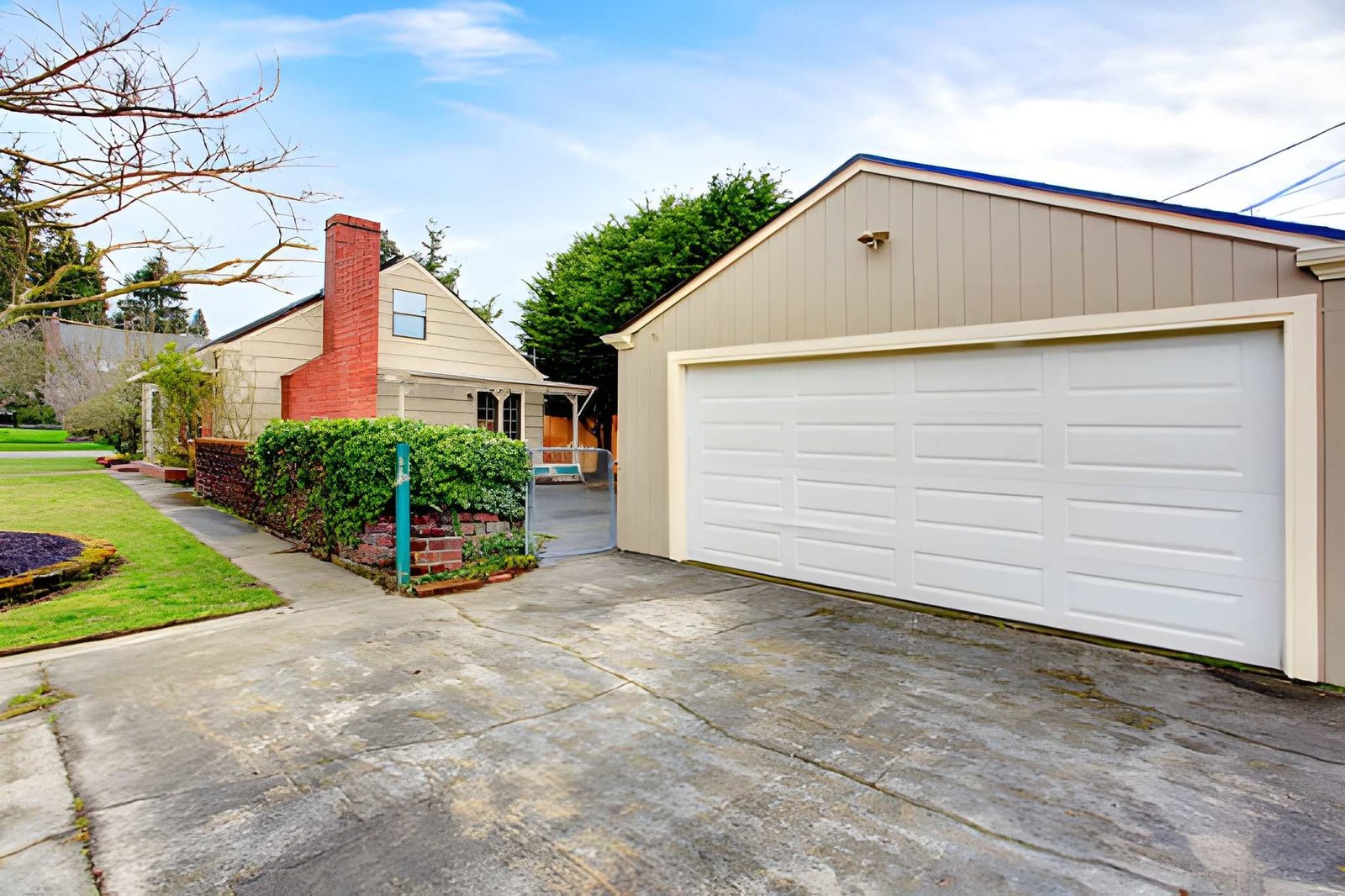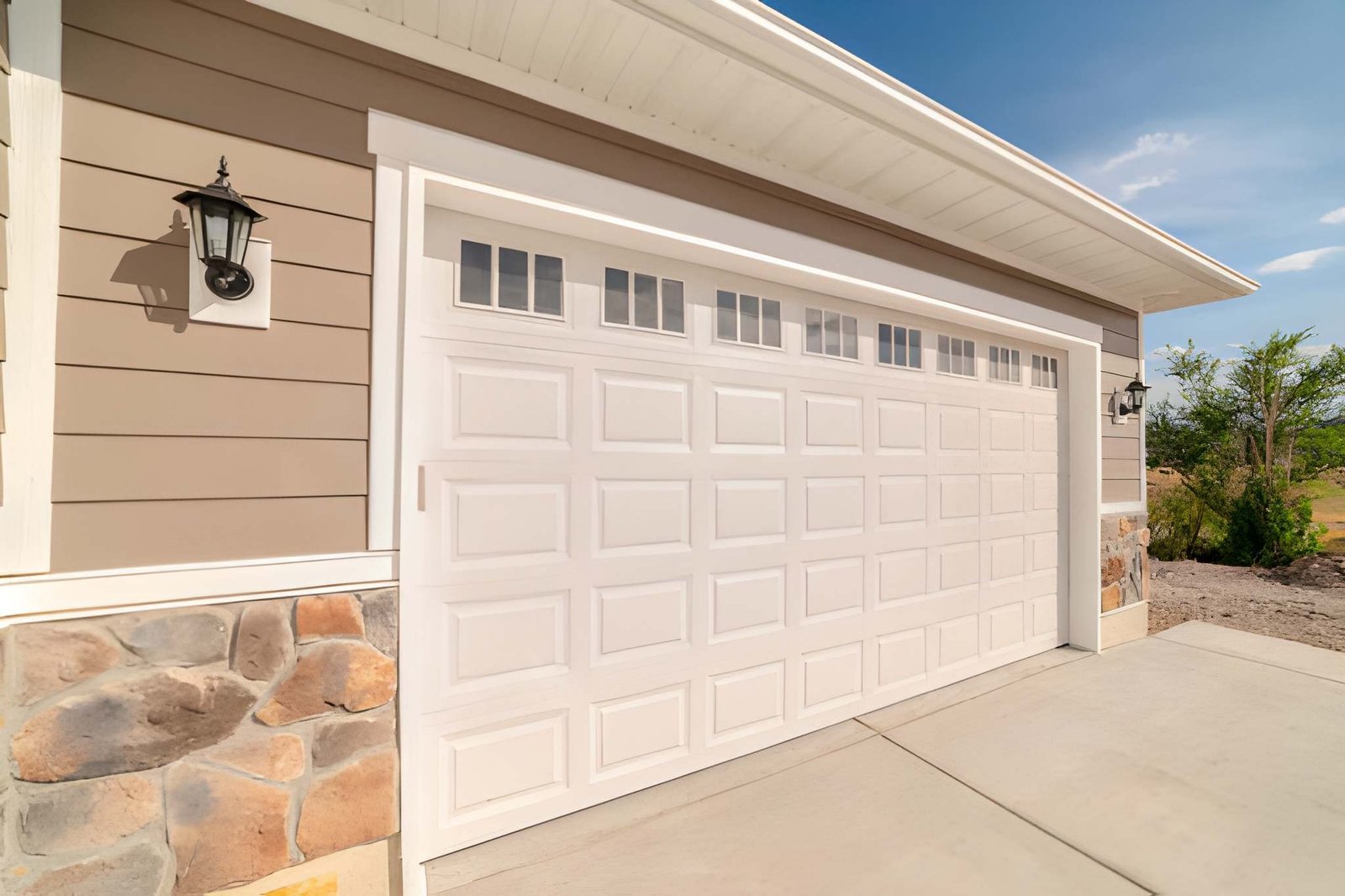
Every section of your door rides on rollers — ten to twelve of them on a typical double. Builders fit whatever is cheapest, which means steel wheels on exposed, unsealed bearings. They work. They are also why the door sounds like it does.
| Type | Noise | Typical life | Notes |
|---|---|---|---|
| Plain steel, no bearings | Loudest | Shortest | Common builder-grade fitment |
| Steel with bearings | Loud | Moderate | Bearings are exposed to dust and salt |
| Nylon with sealed bearings | Quietest | Longest | The usual upgrade; no metal-on-metal running |
Changing rollers and lubricating properly transforms a noisy door for a fraction of what people expect to pay. It is the first thing we suggest when someone says the door is waking the house.
Max Quality Garage Door technicians
When to replace them
Signs a roller is done
- Visible wobble in the wheel, or play in the stem.
- Flat spots — the roller is sliding rather than rolling.
- Squealing that returns quickly after lubrication.
- Rust dust in the track, particularly on coastal properties.
One caution
The rollers in the bottom brackets are not a DIY item. Those brackets are under full spring tension. The rest of the rollers can be changed one at a time by a competent DIYer with the door closed — but if you are having the door serviced anyway, doing the set at once is quick and makes the door feel new.
The salt problem, inland and on the coast
Shoreline towns get salt off Long Island Sound all year. Everywhere else gets it off the road from December onwards, carried home on the car and dried onto the bottom section every time you park. The second kind does more damage than people expect, because it sits in exactly the place nobody looks: the lowest two feet of the door, the bottom rollers and the base of the track.
Getting the lubricant right
Use a light lithium or silicone garage door spray. Not heavy grease, which stiffens in the cold and makes a winter door drag, and definitely not general penetrating oil.
Penetrating oil is a solvent. It strips out whatever lubricant was there, evaporates, and leaves the part drier than when you started — then attracts grit, which turns into a grinding paste on the rollers. Similar money, opposite result.
The safety feature most people defeat
Winding up the force limits. When a door gets stiff, turning up the force makes the symptom go away — and disables the thing that stops the door closing on a child or a car bumper. If your door needs more force than it did last year, the answer is to find out why, not to give it more force.
Where that leaves you
None of this needs acting on tonight. But a door that is noisy, slow or heavy in November is a door that breaks in January, and January is the worst possible time to be waiting on parts.
A look before the cold sets in costs nothing and usually saves a call-out.
We cover 74 Connecticut towns, usually same day.