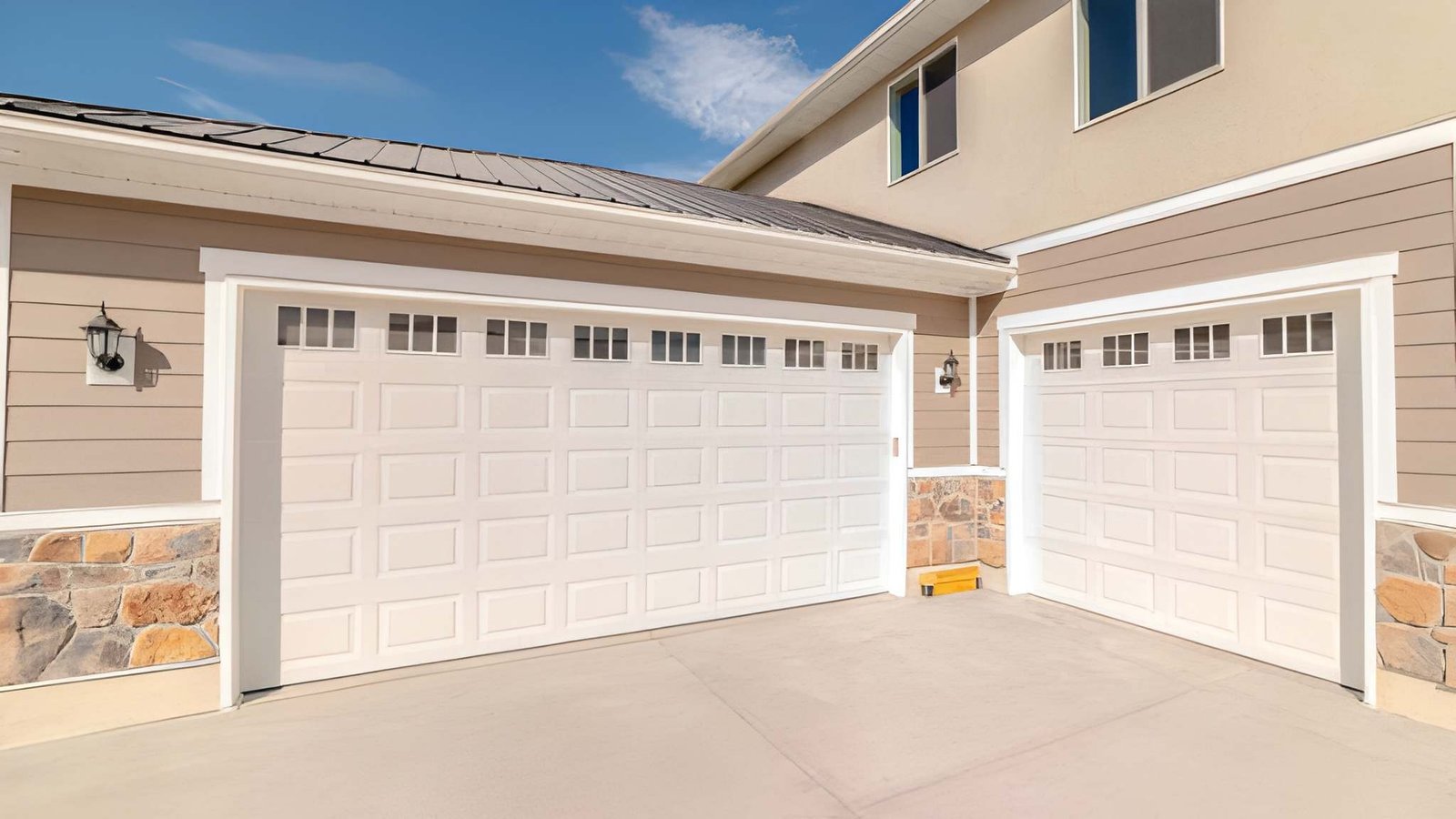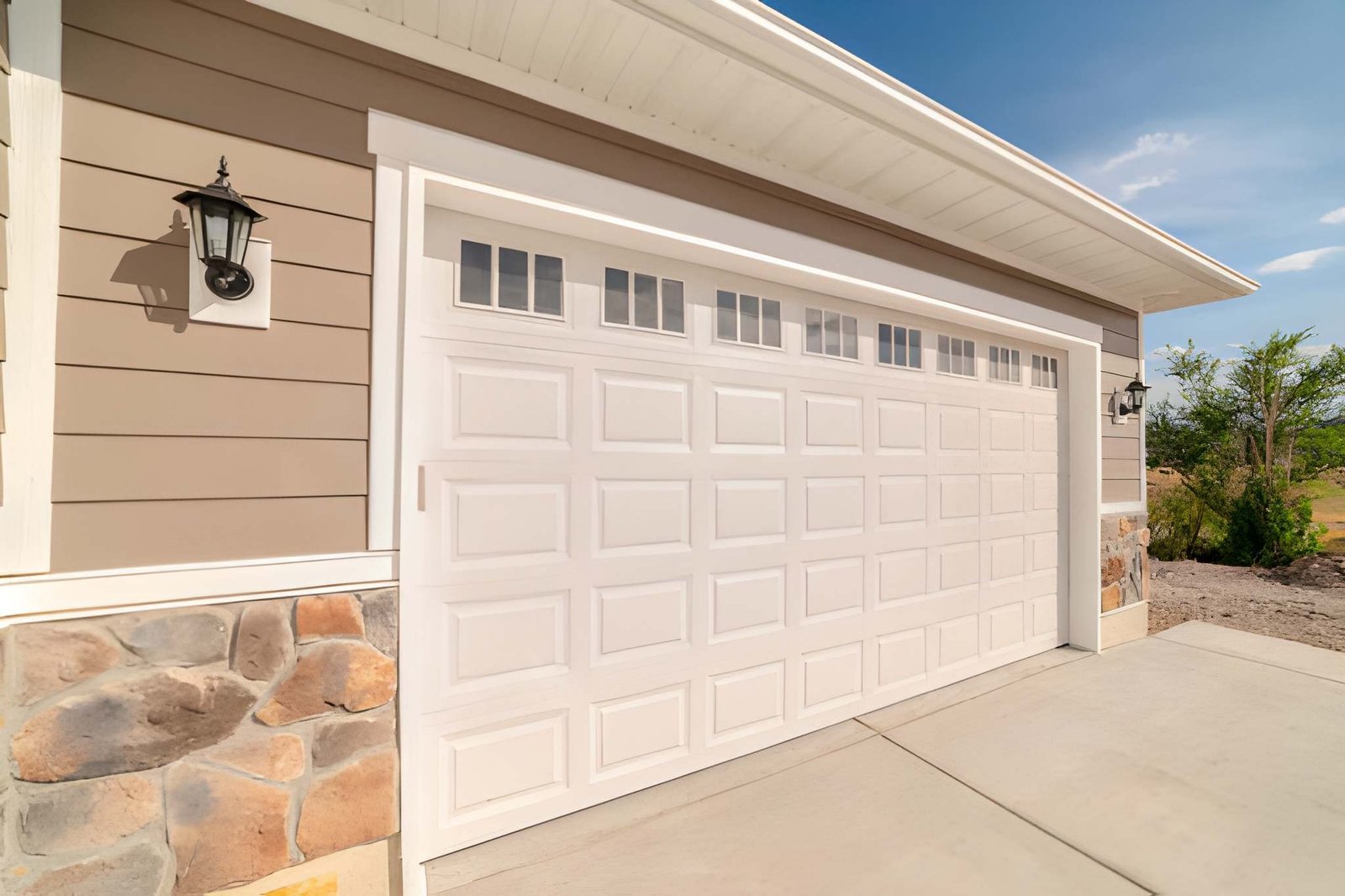
The tracks are the two steel channels the rollers run in. They look like simple bent metal and largely they are. They are also the only thing holding a two-hundred-pound door where it is supposed to be, and they do that job only while they are straight.
How they get bent
Usually a car. Sometimes a ladder, a bike, or a lawnmower handle. Occasionally it is nothing dramatic at all — just loose brackets that let the track wander over years.
What you will notice first
A door that binds at the same height every single time. A grinding or scraping noise at one point in the travel. Or the Garage Door Opener straining briefly then carrying on.
If your door hesitates in the same spot every day, that is not a quirk. That is a mechanical fault telling you where it is.
Max Quality Garage Door technicians
| What you find | What it usually needs |
|---|---|
| Slight kink, door still runs | Straighten and realign the brackets |
| Roller jumping out at one point | Track section replacement |
| Track pulled away from the wall | Refit and often new fixings into sound timber |
| Door off track entirely | Full reseat, plus whatever caused it |
Why waiting costs more
Every cycle through a bent section chews the roller. Then the damaged roller starts marking the track. Then the door racks slightly, which loads one cable more than the other.
A ten-minute realignment becomes a track, a set of rollers and a pair of cables.
How to think about a door that is misbehaving
Doors describe their own faults quite precisely if you pay attention to three things: the sound, where in the travel it happens, and whether it repeats.
A noise at exactly the same point every cycle is mechanical — a roller, a hinge, or a flat spot on the track at that height. A noise that moves around is usually lubrication. Something intermittent, especially in cold or damp, points at electronics or the safety circuit. And a single sharp crack is not diagnostic at all: that is a spring or a cable, and the door should not be used again until somebody has looked.
The five-minute triage anyone can do
Start with the wall button. If the wall button works and the remote does not, the fault is on the radio side: battery, pairing or interference from something new in the garage.
If neither works, you are looking at power, the safety circuit or the Garage Door Opener itself. If both work but the door does not move, the trolley has almost certainly been left disengaged or the drive gear has stripped. And if the door moves but stops and reverses, go straight to the photo-eyes — that is where it usually ends.
The order we work through it
Diagnosis has an order, and following it rules things out fast:
- Balance first, by hand, with the opener disconnected. This alone rules half of everything in or out.
- Then the safety circuit — sensors, alignment, lenses and wiring, since it is the most common single cause.
- Then the mechanical parts under load: springs, cables, drums and bearings.
- Then the track and rollers, looking for the point where the fault repeats in the travel.
- The opener last, because it is the part most often blamed and least often responsible.
What the freeze-thaw cycle actually does
Water gets into places it should not, freezes, expands, and levers things apart a fraction at a time. That is the whole mechanism. It works fixings loose, it lifts the bottom seal off the slab, and it opens gaps along the jamb that were not there in autumn. A door that sealed cleanly in October showing daylight down one side by February has not broken — it has been moved.
What to check before you call anyone
Look at the photo-eyes first. They sit six inches off the floor, which is where snow gets shovelled and where things get leaned. A lens that is dirty, damp or a few degrees out of line will stop a door closing and produce a fault that looks far worse than it is.
Then check the trolley is engaged. A motor that runs while nothing moves is very often nothing more than a release cord somebody pulled and forgot about.
The repair that never holds
Straightening bent track and putting it back. It never runs true again, and the door works its rollers against a kink every single cycle until something else gives. Track is not an expensive part. Trying to save it is what turns a track job into a track, roller and section job.
If you take one thing from this
Stop using a door that is behaving strangely. That single habit prevents more expensive damage than any maintenance routine, because the cost is rarely in the original fault — it is in the cycles after it.
Everything else can wait for an appointment.
We cover 74 Connecticut towns, usually same day.